All concerns

Best products for post-acne marks

Understanding Post-acne marks

These matches assume a default profile. Complete your profile to score them against your skin.

10 of 100
Eucerin
Product Match92Excellent match

Eucerin

Eucerin Dermopure Sérum Triple Action

Serum – for Post-acne marks

$26.6740ml · $0.67/ml

★★★★★4.3(565)

Ideal for

  • ExcellentPost-acne marks
  • ExcellentDark spots & hyperpigmentation

Not recommended for

Atopic Dermatitis / EczemaRosaceaPsoriasisMelasma

Caution

May aggravate: Perioral Dermatitis (Fragrance)

Product Score

Breakdown of key factors contributing to this product match

Research Score

95%

21 scientific studies support the efficacy of this product's ingredients for your specific concerns

Consumer Reviews

86%

Based on 565 customer reviews (4.3★). Positive feedback from users with similar skin profiles and concerns.

Contains photosensitising ingredient(s) (Salicylic Acid) — always follow with SPF 30+ in the morning
Evidence for Thiamidol relies substantially on industry-funded studies — interpret claims with moderate caution
Isobutylamido Thiazolyl Resorcinol (Thiamidol) for Combatting Hyperpigmentation: A Systematic Review of Clinical Studies
For Post-acne marksJournal of Drugs in Dermatology, 2024

Systematic review: ALL 14 clinical studies found thiamidol to provide statistically significant improvements to hyperpigmentation conditions; consistent efficacy across facial hyperpigmentation melasma PIH and UV induced hyperpigmentation indications.

Thiamidol® in moderate‐to‐severe melasma: 24‐week, randomized, double‐blind, vehicle‐controlled clinical study with subsequent regression phase
For Post-acne marksThe Journal of Dermatology, 2021n=48

Randomized controlled trial (n=48, 24 weeks): Clinical photography and MASI improved significantly with Thiamidol vs baseline p<0.001 and vs vehicle p<0.001 to 0.043 at all time points up to treatment end; well tolerated; regression phase showed MASI still significantly lower than baseline but similar for treatment and vehicle groups indicating maintenance treatment required.

Skin care serum containing hyaluronic acid, arctiin and Thiamidol reduces age spots and wrinkles
For Post-acne marksEADV Congress 2020, 2020

Randomized controlled trial: Serum containing HA plus arctiin plus thiamidol reduced both age spots and wrinkles and increased elasticity of mature skin.

Effective reduction of post‐inflammatory hyperpigmentation with the tyrosinase inhibitor isobutylamido‐thiazolyl‐resorcinol (Thiamidol)
For Post-acne marksInternational Journal of Cosmetic Science, 2021

Randomized controlled trial: Suction blister PIH sites treated with thiamidol significantly lighter than control at 2 weeks and improved throughout 12 weeks; acne related PIH vehicle controlled RCT demonstrated significant thiamidol efficacy; 12 week three product thiamidol observational study confirmed efficacy.

Inhibition of Human Tyrosinase Requires Molecular Motifs Distinctively Different from Mushroom Tyrosinase
For Post-acne marksJournal of Investigative Dermatology, 2018

In-vitro/mechanistic study: Thiamidol isobutylamido thiazolyl resorcinol identified as most potent inhibitor of human tyrosinase from 50000 compounds screened; thiamidol IC50 1.1 uM on human tyrosinase vs hydroquinone IC50 greater than 4000 uM vs alpha arbutin IC50 in millimolar range vs kojic acid IC50 greater than 400 uM; thiamidol IC50 108 uM on mushroom tyrosinase demonstrating greater than 98x selectivity for human vs mushroom tyrosinase; melanocyte culture IC50 0.9 uM reversibly inhibits melanin production vs hydroquinone 16.3 uM irreversible inhibition via cytotoxicity.

Review of efficacy, safety, and tolerability of thiamidol
For Post-acne marksClinical, Cosmetic and Investigational Dermatology, 2024

Review: Modern 2024 review consolidating thiamidol efficacy safety tolerability evidence; dermatology specialist perspective on thiamidol clinical utility.

Thiamidol: A Breakthrough Innovation in Treatment of Hyperpigmentation
For Post-acne marksDermatologic Clinics, 2025

Review: Recent 2025 dermatology specialist review positioning thiamidol as breakthrough innovation in hyperpigmentation treatment; discusses Kligman alternative combination with tretinoin and dexamethasone.

Review of thiamidol for hyperpigmentation
For Post-acne marksJournal of the European Academy of Dermatology and Venereology, 2024

Review: 2024 European dermatology review consolidating thiamidol evidence base and clinical applications.

Keratolytics and Emollients and Their Role in the Therapy of Psoriasis: a Systematic Review
For Post-acne marksDermatology and Therapy, 2015n=120

Systematic review of keratolytics and emollients in psoriasis therapy: salicylic acid is a key keratolytic that removes psoriatic scale and improves penetration of co-applied topical agents; supports salicylic acid as an evidence-based adjunctive (descaling) treatment rather than a standalone therapy.

Salicylic acid as a peeling agent: a comprehensive review
For Post-acne marksClinical, Cosmetic and Investigational Dermatology, 2015

Comprehensive review: salicylic acid (2%) is the only lipophilic BHA, enabling comedolytic and anti-inflammatory activity within the pilosebaceous unit; effective for acne vulgaris, melasma, photodamage, and keratosis pilaris; 20-30% SA peels show efficacy comparable to glycolic acid peels with lower erythema risk in Fitzpatrick IV-VI
Bubble
Product Match90Excellent match

Bubble

Day Dream Vitamin C + Niacinamide Tone & Texture Serum

Serum – for Post-acne marks

$17.0029.6ml · $0.57/ml

★★★★★4.8(6,000)

Ideal for

  • StrongPost-acne marks
  • StrongDark spots & hyperpigmentation

Caution

May aggravate: Seborrheic Dermatitis (Glyceryl Stearate)

Product Score

Breakdown of key factors contributing to this product match

Research Score

87%

36 scientific studies support the efficacy of this product's ingredients for your specific concerns

Consumer Reviews

96%

Based on 6,000 customer reviews (4.8★). Positive feedback from users with similar skin profiles and concerns.

Tranexamic acid in treatment of melasma: A comprehensive review of clinical studies
For Post-acne marksDermatologic Therapy, 2017n=667

Meta-analysis (n=667): Early systematic review demonstrating MASI decrease of 1.60 95% CI 1.20 2.00 p=0.001 with TXA and additional 0.94 decrease when added to routine treatment; established evidence base for TXA in melasma.

Tranexamic Acid for Adults with Melasma: A Systematic Review and Meta-Analysis
For Post-acne marksBioMed Research International, 2018

Meta-analysis: Oral TXA efficacy demonstrated in Asian skin including low dose 500 mg daily over 8 to 12 weeks; safety profile established.

Efficacy and safety of tranexamic acid in the treatment of adult melasma: An updated meta‐analysis of randomized controlled trials
For Post-acne marksJournal of Clinical Pharmacy and Therapeutics, 2021

Meta-analysis: Demonstrates significant MASI mMASI reduction at 4 8 12 16 weeks regardless of route; oral route most robust effect vs routine treatment.

The optimal dose of oral tranexamic acid in melasma: A network meta-analysis
For Post-acne marksIndian Journal of Dermatology, Venereology and Leprology, 2022

Meta-analysis: PIVOTAL network meta analysis establishing optimal oral dose as 250 mg three times daily 750 mg total daily for 12 weeks with 250 mg twice daily acceptable alternative.

Efficacy of Oral, Topical, and Intradermal Tranexamic Acid in Patients with Melasma — A Meta-Analysis
For Post-acne marksIndian Dermatology Online Journal, 2023

Meta-analysis: Comprehensive 2024 meta analysis demonstrating oral TXA SMD 2.39 at 12 weeks 95% CI 1.42 3.35 p=0.00001; establishes oral route as primary evidence based option.

Topical 5% tranexamic acid for the treatment of melasma in Asians: A double-blind randomized controlled clinical trial
For Post-acne marksJournal of Cosmetic and Laser Therapy, 2012n=36

Double-blind split-face RCT (n=23, 21 completed): topical 5% tranexamic acid gel vs vehicle twice daily for 12 weeks in epidermal melasma; MASI fell on both sides but TXA was not superior to vehicle (p>0.05), and TXA caused significant erythema, indicating no benefit over vehicle.

Randomized, placebo-controlled, double-blind study of oral tranexamic acid in the treatment of moderate-to-severe melasma
For Post-acne marksJournal of the American Academy of Dermatology, 2018

Randomized, double-blind, placebo-controlled trial in moderate-to-severe melasma: oral tranexamic acid 250 mg twice daily significantly reduced modified MASI versus placebo over 3 months; pigmentation partially returned after discontinuation; treatment was well tolerated with no serious adverse events.

Treatment of Melasma With Oral Administration of Tranexamic Acid
For Post-acne marksAesthetic Plastic Surgery, 2012n=800

Uncontrolled clinical study (n=74): oral tranexamic acid 250 mg twice daily for 6 months for melasma; about 65% of patients achieved good-to-excellent improvement (excellent 10.8%, good 54%), with fair in ~31% and poor in ~4%; supports oral TXA efficacy, though there was no control group.

Topical tranexamic acid as a promising treatment for melasma
For Post-acne marksJournal of Research in Medical Sciences, 2014n=50

In a 12-week double-blind split-face trial of 50 Iranian women, topical 3% tranexamic acid and 3% hydroquinone plus 0.01% dexamethasone both significantly reduced MASI scores with no significant difference between them. Tranexamic acid caused significantly fewer side effects, supporting it as an effective, safer melasma treatment.

Comparison of therapeutic effects of liposomal Tranexamic Acid and conventional Hydroquinone on melasma
For Post-acne marksJournal of Cosmetic Dermatology, 2015

Randomized controlled trial: Demonstrates topical liposomal TXA 5% comparable efficacy to hydroquinone 2% for melasma.

COSRX
Product Match88Strong match

COSRX

COSRX The Alpha Arbutin 2 Discoloration Care

Serum – for Post-acne marks

$25.00

★★★★★4.5(1,196)

Ideal for

  • StrongPost-acne marks
  • ExcellentRedness & sensitivity
  • StrongDryness

Not recommended for

MelasmaAtopic Dermatitis / EczemaRosaceaPsoriasis

Product Score

Breakdown of key factors contributing to this product match

Research Score

87%

36 scientific studies support the efficacy of this product's ingredients for your specific concerns

Consumer Reviews

90%

Based on 1,196 customer reviews (4.5★). Positive feedback from users with similar skin profiles and concerns.

Tranexamic acid in treatment of melasma: A comprehensive review of clinical studies
For Post-acne marksDermatologic Therapy, 2017n=667

Meta-analysis (n=667): Early systematic review demonstrating MASI decrease of 1.60 95% CI 1.20 2.00 p=0.001 with TXA and additional 0.94 decrease when added to routine treatment; established evidence base for TXA in melasma.

Tranexamic Acid for Adults with Melasma: A Systematic Review and Meta-Analysis
For Post-acne marksBioMed Research International, 2018

Meta-analysis: Oral TXA efficacy demonstrated in Asian skin including low dose 500 mg daily over 8 to 12 weeks; safety profile established.

Efficacy and safety of tranexamic acid in the treatment of adult melasma: An updated meta‐analysis of randomized controlled trials
For Post-acne marksJournal of Clinical Pharmacy and Therapeutics, 2021

Meta-analysis: Demonstrates significant MASI mMASI reduction at 4 8 12 16 weeks regardless of route; oral route most robust effect vs routine treatment.

The optimal dose of oral tranexamic acid in melasma: A network meta-analysis
For Post-acne marksIndian Journal of Dermatology, Venereology and Leprology, 2022

Meta-analysis: PIVOTAL network meta analysis establishing optimal oral dose as 250 mg three times daily 750 mg total daily for 12 weeks with 250 mg twice daily acceptable alternative.

Efficacy of Oral, Topical, and Intradermal Tranexamic Acid in Patients with Melasma — A Meta-Analysis
For Post-acne marksIndian Dermatology Online Journal, 2023

Meta-analysis: Comprehensive 2024 meta analysis demonstrating oral TXA SMD 2.39 at 12 weeks 95% CI 1.42 3.35 p=0.00001; establishes oral route as primary evidence based option.

Topical 5% tranexamic acid for the treatment of melasma in Asians: A double-blind randomized controlled clinical trial
For Post-acne marksJournal of Cosmetic and Laser Therapy, 2012n=36

Double-blind split-face RCT (n=23, 21 completed): topical 5% tranexamic acid gel vs vehicle twice daily for 12 weeks in epidermal melasma; MASI fell on both sides but TXA was not superior to vehicle (p>0.05), and TXA caused significant erythema, indicating no benefit over vehicle.

Randomized, placebo-controlled, double-blind study of oral tranexamic acid in the treatment of moderate-to-severe melasma
For Post-acne marksJournal of the American Academy of Dermatology, 2018

Randomized, double-blind, placebo-controlled trial in moderate-to-severe melasma: oral tranexamic acid 250 mg twice daily significantly reduced modified MASI versus placebo over 3 months; pigmentation partially returned after discontinuation; treatment was well tolerated with no serious adverse events.

Treatment of Melasma With Oral Administration of Tranexamic Acid
For Post-acne marksAesthetic Plastic Surgery, 2012n=800

Uncontrolled clinical study (n=74): oral tranexamic acid 250 mg twice daily for 6 months for melasma; about 65% of patients achieved good-to-excellent improvement (excellent 10.8%, good 54%), with fair in ~31% and poor in ~4%; supports oral TXA efficacy, though there was no control group.

Topical tranexamic acid as a promising treatment for melasma
For Post-acne marksJournal of Research in Medical Sciences, 2014n=50

In a 12-week double-blind split-face trial of 50 Iranian women, topical 3% tranexamic acid and 3% hydroquinone plus 0.01% dexamethasone both significantly reduced MASI scores with no significant difference between them. Tranexamic acid caused significantly fewer side effects, supporting it as an effective, safer melasma treatment.

Comparison of therapeutic effects of liposomal Tranexamic Acid and conventional Hydroquinone on melasma
For Post-acne marksJournal of Cosmetic Dermatology, 2015

Randomized controlled trial: Demonstrates topical liposomal TXA 5% comparable efficacy to hydroquinone 2% for melasma.

Anua
Product Match87Strong match

Anua

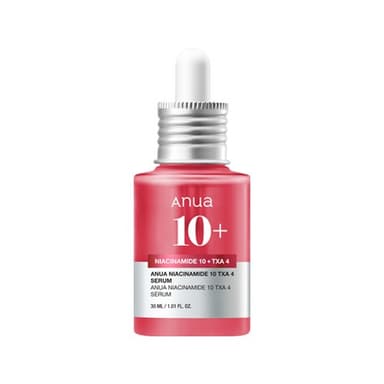
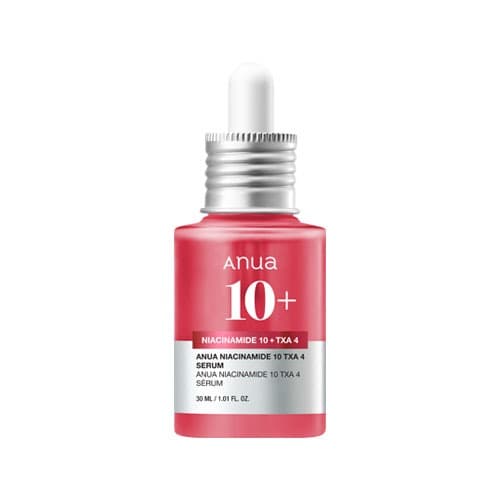
Anua Niacinamide 10 TXA 4 Serum 30ml

Serum – for Post-acne marks

$27.0030ml · $0.90/ml

★★★★★4.9(252)

Ideal for

  • StrongPost-acne marks
  • StrongRedness & sensitivity
  • StrongDryness

Not recommended for

Seborrheic Dermatitis

Product Score

Breakdown of key factors contributing to this product match

Research Score

87%

36 scientific studies support the efficacy of this product's ingredients for your specific concerns

Consumer Reviews

88%

Based on 252 customer reviews (4.9★). Positive feedback from users with similar skin profiles and concerns.

Tranexamic acid in treatment of melasma: A comprehensive review of clinical studies
For Post-acne marksDermatologic Therapy, 2017n=667

Meta-analysis (n=667): Early systematic review demonstrating MASI decrease of 1.60 95% CI 1.20 2.00 p=0.001 with TXA and additional 0.94 decrease when added to routine treatment; established evidence base for TXA in melasma.

Tranexamic Acid for Adults with Melasma: A Systematic Review and Meta-Analysis
For Post-acne marksBioMed Research International, 2018

Meta-analysis: Oral TXA efficacy demonstrated in Asian skin including low dose 500 mg daily over 8 to 12 weeks; safety profile established.

Efficacy and safety of tranexamic acid in the treatment of adult melasma: An updated meta‐analysis of randomized controlled trials
For Post-acne marksJournal of Clinical Pharmacy and Therapeutics, 2021

Meta-analysis: Demonstrates significant MASI mMASI reduction at 4 8 12 16 weeks regardless of route; oral route most robust effect vs routine treatment.

The optimal dose of oral tranexamic acid in melasma: A network meta-analysis
For Post-acne marksIndian Journal of Dermatology, Venereology and Leprology, 2022

Meta-analysis: PIVOTAL network meta analysis establishing optimal oral dose as 250 mg three times daily 750 mg total daily for 12 weeks with 250 mg twice daily acceptable alternative.

Efficacy of Oral, Topical, and Intradermal Tranexamic Acid in Patients with Melasma — A Meta-Analysis
For Post-acne marksIndian Dermatology Online Journal, 2023

Meta-analysis: Comprehensive 2024 meta analysis demonstrating oral TXA SMD 2.39 at 12 weeks 95% CI 1.42 3.35 p=0.00001; establishes oral route as primary evidence based option.

Topical 5% tranexamic acid for the treatment of melasma in Asians: A double-blind randomized controlled clinical trial
For Post-acne marksJournal of Cosmetic and Laser Therapy, 2012n=36

Double-blind split-face RCT (n=23, 21 completed): topical 5% tranexamic acid gel vs vehicle twice daily for 12 weeks in epidermal melasma; MASI fell on both sides but TXA was not superior to vehicle (p>0.05), and TXA caused significant erythema, indicating no benefit over vehicle.

Randomized, placebo-controlled, double-blind study of oral tranexamic acid in the treatment of moderate-to-severe melasma
For Post-acne marksJournal of the American Academy of Dermatology, 2018

Randomized, double-blind, placebo-controlled trial in moderate-to-severe melasma: oral tranexamic acid 250 mg twice daily significantly reduced modified MASI versus placebo over 3 months; pigmentation partially returned after discontinuation; treatment was well tolerated with no serious adverse events.

Treatment of Melasma With Oral Administration of Tranexamic Acid
For Post-acne marksAesthetic Plastic Surgery, 2012n=800

Uncontrolled clinical study (n=74): oral tranexamic acid 250 mg twice daily for 6 months for melasma; about 65% of patients achieved good-to-excellent improvement (excellent 10.8%, good 54%), with fair in ~31% and poor in ~4%; supports oral TXA efficacy, though there was no control group.

Topical tranexamic acid as a promising treatment for melasma
For Post-acne marksJournal of Research in Medical Sciences, 2014n=50

In a 12-week double-blind split-face trial of 50 Iranian women, topical 3% tranexamic acid and 3% hydroquinone plus 0.01% dexamethasone both significantly reduced MASI scores with no significant difference between them. Tranexamic acid caused significantly fewer side effects, supporting it as an effective, safer melasma treatment.

Comparison of therapeutic effects of liposomal Tranexamic Acid and conventional Hydroquinone on melasma
For Post-acne marksJournal of Cosmetic Dermatology, 2015

Randomized controlled trial: Demonstrates topical liposomal TXA 5% comparable efficacy to hydroquinone 2% for melasma.

StriVectin
Product Match86Strong match

StriVectin

Daily Reveal Exfoliating Pads

Serum – for Post-acne marks

$49.00

★★★★★4.7(1,294)

Ideal for

  • StrongPost-acne marks
  • StrongDark spots & hyperpigmentation

Not recommended for

MelasmaAtopic Dermatitis / EczemaRosaceaPsoriasis

Product Score

Breakdown of key factors contributing to this product match

Research Score

83%

23 scientific studies support the efficacy of this product's ingredients for your specific concerns

Consumer Reviews

94%

Based on 1,294 customer reviews (4.7★). Positive feedback from users with similar skin profiles and concerns.

Contains photosensitising ingredient(s) (Glycolic Acid, Azelaic Acid) — always follow with SPF 30+ in the morning
Higher Fitzpatrick types have increased PIH risk with glycolic acid — consider mandelic acid as a gentler AHA alternative.
Tranexamic acid in treatment of melasma: A comprehensive review of clinical studies
For Post-acne marksDermatologic Therapy, 2017n=667

Meta-analysis (n=667): Early systematic review demonstrating MASI decrease of 1.60 95% CI 1.20 2.00 p=0.001 with TXA and additional 0.94 decrease when added to routine treatment; established evidence base for TXA in melasma.

Tranexamic Acid for Adults with Melasma: A Systematic Review and Meta-Analysis
For Post-acne marksBioMed Research International, 2018

Meta-analysis: Oral TXA efficacy demonstrated in Asian skin including low dose 500 mg daily over 8 to 12 weeks; safety profile established.

Efficacy and safety of tranexamic acid in the treatment of adult melasma: An updated meta‐analysis of randomized controlled trials
For Post-acne marksJournal of Clinical Pharmacy and Therapeutics, 2021

Meta-analysis: Demonstrates significant MASI mMASI reduction at 4 8 12 16 weeks regardless of route; oral route most robust effect vs routine treatment.

The optimal dose of oral tranexamic acid in melasma: A network meta-analysis
For Post-acne marksIndian Journal of Dermatology, Venereology and Leprology, 2022

Meta-analysis: PIVOTAL network meta analysis establishing optimal oral dose as 250 mg three times daily 750 mg total daily for 12 weeks with 250 mg twice daily acceptable alternative.

Efficacy of Oral, Topical, and Intradermal Tranexamic Acid in Patients with Melasma — A Meta-Analysis
For Post-acne marksIndian Dermatology Online Journal, 2023

Meta-analysis: Comprehensive 2024 meta analysis demonstrating oral TXA SMD 2.39 at 12 weeks 95% CI 1.42 3.35 p=0.00001; establishes oral route as primary evidence based option.

Topical 5% tranexamic acid for the treatment of melasma in Asians: A double-blind randomized controlled clinical trial
For Post-acne marksJournal of Cosmetic and Laser Therapy, 2012n=36

Double-blind split-face RCT (n=23, 21 completed): topical 5% tranexamic acid gel vs vehicle twice daily for 12 weeks in epidermal melasma; MASI fell on both sides but TXA was not superior to vehicle (p>0.05), and TXA caused significant erythema, indicating no benefit over vehicle.

Randomized, placebo-controlled, double-blind study of oral tranexamic acid in the treatment of moderate-to-severe melasma
For Post-acne marksJournal of the American Academy of Dermatology, 2018

Randomized, double-blind, placebo-controlled trial in moderate-to-severe melasma: oral tranexamic acid 250 mg twice daily significantly reduced modified MASI versus placebo over 3 months; pigmentation partially returned after discontinuation; treatment was well tolerated with no serious adverse events.

Treatment of Melasma With Oral Administration of Tranexamic Acid
For Post-acne marksAesthetic Plastic Surgery, 2012n=800

Uncontrolled clinical study (n=74): oral tranexamic acid 250 mg twice daily for 6 months for melasma; about 65% of patients achieved good-to-excellent improvement (excellent 10.8%, good 54%), with fair in ~31% and poor in ~4%; supports oral TXA efficacy, though there was no control group.

Topical tranexamic acid as a promising treatment for melasma
For Post-acne marksJournal of Research in Medical Sciences, 2014n=50

In a 12-week double-blind split-face trial of 50 Iranian women, topical 3% tranexamic acid and 3% hydroquinone plus 0.01% dexamethasone both significantly reduced MASI scores with no significant difference between them. Tranexamic acid caused significantly fewer side effects, supporting it as an effective, safer melasma treatment.

Comparison of therapeutic effects of liposomal Tranexamic Acid and conventional Hydroquinone on melasma
For Post-acne marksJournal of Cosmetic Dermatology, 2015

Randomized controlled trial: Demonstrates topical liposomal TXA 5% comparable efficacy to hydroquinone 2% for melasma.

Urban Skin Rx
Product Match83Strong match

Urban Skin Rx

Even Tone Cleansing Bar 3-in-1 Treatment - 2.0 oz

Cleanser – for Post-acne marks

$15.9959.1ml · $0.27/ml

★★★★★4.5(4,608)

Ideal for

  • StrongPost-acne marks
  • StrongRedness & sensitivity
  • StrongDark spots & hyperpigmentation

Not recommended for

Seborrheic Dermatitis

Caution

May aggravate: Atopic Dermatitis / Eczema (Propylene Glycol, Witch Hazel and Azelaic Acid); Rosacea (Propylene Glycol, Witch Hazel and Camphor)

Product Score

Breakdown of key factors contributing to this product match

Research Score

81%

31 scientific studies support the efficacy of this product's ingredients for your specific concerns

Consumer Reviews

90%

Based on 4,608 customer reviews (4.5★). Positive feedback from users with similar skin profiles and concerns.

Contains photosensitising ingredient(s) (Azelaic Acid, Retinyl Palmitate) — always follow with SPF 30+ in the morning
Arbutin as a skin depigmenting agent with antimelanogenic and antioxidant properties
For Post-acne marksAntioxidants, 2021

Comprehensive review of arbutin mechanisms: alpha-arbutin competitively inhibits tyrosinase by binding the active site without melanocyte cytotoxicity; also exhibits antioxidant properties; safer alternative to hydroquinone as it does not form toxic benzoquinone metabolites

Post-inflammatory hyperpigmentation in skin of color: management strategies and depigmenting agents
For Post-acne marksJournal of Clinical and Aesthetic Dermatology, 2010

Review of PIH management in skin of color: arbutin is recommended as a well-tolerated depigmenting agent for acne-related PIH in Fitzpatrick III-VI; lower irritation risk than hydroquinone reduces the chance of treatment-induced inflammation (which would worsen PIH); optimal at 1-2% concentration in combination with sunscreen and gentle retinoids

Efficiency of ellagic acid and arbutin in melasma: A randomized, prospective, open‐label study
For Post-acne marksThe Journal of Dermatology, 2008n=32

Randomized, open-label study (n=30) in melasma comparing topical gels of arbutin, synthetic ellagic acid, and plant-derived ellagic acid; all three significantly reduced melanin levels, with arbutin producing a significant response in all 10 treated patients (p=0.05). No hydroquinone comparator and no PIH endpoint.

The Efficacy of Topical Cosmetic Containing Alpha‐Arbutin 5% and Kojic Acid 2% Compared With Triple Combination Cream for the Treatment of Melasma: A Split‐Face, Evaluator‐Blinded Randomized Pilot Study
For Post-acne marksJournal of Cosmetic Dermatology, 2024n=30

Randomized controlled trial (n=30, 12 weeks): AAK comparable efficacy to TCC for melasma similar melanin index and mMASI score reductions; TCC had significantly higher PGA improvement week 4 p=0.002 week 8 p<0.01 week 12 p=0.032 but comparable objective measures and TCC showed higher recurrence severity at week 16 follow up.

The Effectiveness of Combination Serum of Tranexamic Acid 3%, Galactomyces Ferment Filtrate 2%, Niacinamide 4%, and Alpha Arbutin 2% Compared with Hydroquinone 4%
For Post-acne marksInternational Journal of Medical Reviews and Case Reports, 2020n=30

Clinical study (n=30, 4 weeks): Combination serum comparable to hydroquinone 4% for skin brightness L star and pigmentation intensity improvement at 4 weeks.

Aloesin inhibits hyperpigmentation induced by UV radiation
For Post-acne marksClinical and Experimental Dermatology, 2002

Clinical study (2 weeks): Arbutin reduced UVR induced hyperpigmentation by 43.5% vs vehicle aleosin by 34% combination by 63.3%.

Effects of α- and β-Arbutin on Activity of Tyrosinases from Mushroom and Mouse Melanoma
For Post-acne marksBioscience, Biotechnology, and Biochemistry, 1995

Biochemical study: both α- and β-arbutin inhibit tyrosinase activity from mushroom and mouse (B16) melanoma; arbutin competitively inhibits tyrosinase, the basis for its melanin-synthesis-suppressing, skin-lightening effect.

Inhibitory Effects of α-Arbutin on Melanin Synthesis in Cultured Human Melanoma Cells and a Three-Dimensional Human Skin Model
For Post-acne marksBiological and Pharmaceutical Bulletin, 2004

Alpha-arbutin inhibited melanin synthesis in cultured human melanoma cells and a three-dimensional human skin model via inhibition of tyrosinase activity, supporting alpha-arbutin as an effective skin-lightening cosmetic ingredient.

Action of tyrosinase on alpha and beta-arbutin: A kinetic study
For Post-acne marksPLOS ONE, 2017

In-vitro kinetic and molecular-docking study: alpha- and beta-arbutin act as alternative substrates of tyrosinase, producing apparent competitive inhibition versus L-tyrosine/L-DOPA rather than acting as pure inhibitors; both are hydroxylated at the ortho position, with beta-arbutin showing higher enzyme affinity (lower KM) than alpha-arbutin.

A comprehensive review of the therapeutic potential of α‐arbutin
For Post-acne marksPhytotherapy Research, 2021

In-vitro/mechanistic study: PIVOTAL comprehensive review consolidating alpha arbutin mechanism evidence and clinical applications; documents 10 fold potency advantage over beta arbutin; consolidates skin lightening mechanism plus additional therapeutic applications cancer diabetes neurodegenerative.

Urban Skin Rx
Product Match82Strong match

Urban Skin Rx

Even Tone Super Glow Serum with 10% L-Ascorbic Acid + Kojic Acid

Serum – for Post-acne marks

$23.9914.8ml · $1.62/ml

★★★★★4.2(1,572)

Ideal for

  • StrongPost-acne marks
  • ExcellentUneven tone & radiance
  • StrongDark circles

Caution

May aggravate: Atopic Dermatitis / Eczema (Propylene Glycol and Azelaic Acid); Rosacea (Propylene Glycol and Citrus Oils)

Product Score

Breakdown of key factors contributing to this product match

Research Score

81%

31 scientific studies support the efficacy of this product's ingredients for your specific concerns

Consumer Reviews

84%

Based on 1,572 customer reviews (4.2★). Positive feedback from users with similar skin profiles and concerns.

L-Ascorbic Acid and Niacinamide may interact negatively in the same formula — check pH compatibility
Kojic Acid and L-Ascorbic Acid may interact negatively in the same formula — check pH compatibility
Contains photosensitising ingredient(s) (Azelaic Acid, Retinyl Palmitate) — always follow with SPF 30+ in the morning
Arbutin as a skin depigmenting agent with antimelanogenic and antioxidant properties
For Post-acne marksAntioxidants, 2021

Comprehensive review of arbutin mechanisms: alpha-arbutin competitively inhibits tyrosinase by binding the active site without melanocyte cytotoxicity; also exhibits antioxidant properties; safer alternative to hydroquinone as it does not form toxic benzoquinone metabolites

Post-inflammatory hyperpigmentation in skin of color: management strategies and depigmenting agents
For Post-acne marksJournal of Clinical and Aesthetic Dermatology, 2010

Review of PIH management in skin of color: arbutin is recommended as a well-tolerated depigmenting agent for acne-related PIH in Fitzpatrick III-VI; lower irritation risk than hydroquinone reduces the chance of treatment-induced inflammation (which would worsen PIH); optimal at 1-2% concentration in combination with sunscreen and gentle retinoids

Efficiency of ellagic acid and arbutin in melasma: A randomized, prospective, open‐label study
For Post-acne marksThe Journal of Dermatology, 2008n=32

Randomized, open-label study (n=30) in melasma comparing topical gels of arbutin, synthetic ellagic acid, and plant-derived ellagic acid; all three significantly reduced melanin levels, with arbutin producing a significant response in all 10 treated patients (p=0.05). No hydroquinone comparator and no PIH endpoint.

The Efficacy of Topical Cosmetic Containing Alpha‐Arbutin 5% and Kojic Acid 2% Compared With Triple Combination Cream for the Treatment of Melasma: A Split‐Face, Evaluator‐Blinded Randomized Pilot Study
For Post-acne marksJournal of Cosmetic Dermatology, 2024n=30

Randomized controlled trial (n=30, 12 weeks): AAK comparable efficacy to TCC for melasma similar melanin index and mMASI score reductions; TCC had significantly higher PGA improvement week 4 p=0.002 week 8 p<0.01 week 12 p=0.032 but comparable objective measures and TCC showed higher recurrence severity at week 16 follow up.

The Effectiveness of Combination Serum of Tranexamic Acid 3%, Galactomyces Ferment Filtrate 2%, Niacinamide 4%, and Alpha Arbutin 2% Compared with Hydroquinone 4%
For Post-acne marksInternational Journal of Medical Reviews and Case Reports, 2020n=30

Clinical study (n=30, 4 weeks): Combination serum comparable to hydroquinone 4% for skin brightness L star and pigmentation intensity improvement at 4 weeks.

Aloesin inhibits hyperpigmentation induced by UV radiation
For Post-acne marksClinical and Experimental Dermatology, 2002

Clinical study (2 weeks): Arbutin reduced UVR induced hyperpigmentation by 43.5% vs vehicle aleosin by 34% combination by 63.3%.

Effects of α- and β-Arbutin on Activity of Tyrosinases from Mushroom and Mouse Melanoma
For Post-acne marksBioscience, Biotechnology, and Biochemistry, 1995

Biochemical study: both α- and β-arbutin inhibit tyrosinase activity from mushroom and mouse (B16) melanoma; arbutin competitively inhibits tyrosinase, the basis for its melanin-synthesis-suppressing, skin-lightening effect.

Inhibitory Effects of α-Arbutin on Melanin Synthesis in Cultured Human Melanoma Cells and a Three-Dimensional Human Skin Model
For Post-acne marksBiological and Pharmaceutical Bulletin, 2004

Alpha-arbutin inhibited melanin synthesis in cultured human melanoma cells and a three-dimensional human skin model via inhibition of tyrosinase activity, supporting alpha-arbutin as an effective skin-lightening cosmetic ingredient.

Action of tyrosinase on alpha and beta-arbutin: A kinetic study
For Post-acne marksPLOS ONE, 2017

In-vitro kinetic and molecular-docking study: alpha- and beta-arbutin act as alternative substrates of tyrosinase, producing apparent competitive inhibition versus L-tyrosine/L-DOPA rather than acting as pure inhibitors; both are hydroxylated at the ortho position, with beta-arbutin showing higher enzyme affinity (lower KM) than alpha-arbutin.

A comprehensive review of the therapeutic potential of α‐arbutin
For Post-acne marksPhytotherapy Research, 2021

In-vitro/mechanistic study: PIVOTAL comprehensive review consolidating alpha arbutin mechanism evidence and clinical applications; documents 10 fold potency advantage over beta arbutin; consolidates skin lightening mechanism plus additional therapeutic applications cancer diabetes neurodegenerative.

Urban Skin Rx
Product Match82Strong match

Urban Skin Rx

Retinol Rapid Repair & Dark Spot Treatment

Serum – for Post-acne marks

$25.9929.6ml · $0.88/ml

★★★★★4.2(1,932)

Ideal for

  • StrongPost-acne marks
  • ExcellentDark circles
  • StrongUneven tone & radiance

Not recommended for

Atopic Dermatitis / EczemaPsoriasis

Caution

May aggravate: Seborrheic Dermatitis (Jojoba Oil)

Product Score

Breakdown of key factors contributing to this product match

Research Score

81%

31 scientific studies support the efficacy of this product's ingredients for your specific concerns

Consumer Reviews

84%

Based on 1,932 customer reviews (4.2★). Positive feedback from users with similar skin profiles and concerns.

Niacinamide and L-Ascorbic Acid may interact negatively in the same formula — check pH compatibility
Kojic Acid and L-Ascorbic Acid may interact negatively in the same formula — check pH compatibility
L-Ascorbic Acid and Retinol may interact negatively in the same formula — check pH compatibility
Arbutin as a skin depigmenting agent with antimelanogenic and antioxidant properties
For Post-acne marksAntioxidants, 2021

Comprehensive review of arbutin mechanisms: alpha-arbutin competitively inhibits tyrosinase by binding the active site without melanocyte cytotoxicity; also exhibits antioxidant properties; safer alternative to hydroquinone as it does not form toxic benzoquinone metabolites

Post-inflammatory hyperpigmentation in skin of color: management strategies and depigmenting agents
For Post-acne marksJournal of Clinical and Aesthetic Dermatology, 2010

Review of PIH management in skin of color: arbutin is recommended as a well-tolerated depigmenting agent for acne-related PIH in Fitzpatrick III-VI; lower irritation risk than hydroquinone reduces the chance of treatment-induced inflammation (which would worsen PIH); optimal at 1-2% concentration in combination with sunscreen and gentle retinoids

Efficiency of ellagic acid and arbutin in melasma: A randomized, prospective, open‐label study
For Post-acne marksThe Journal of Dermatology, 2008n=32

Randomized, open-label study (n=30) in melasma comparing topical gels of arbutin, synthetic ellagic acid, and plant-derived ellagic acid; all three significantly reduced melanin levels, with arbutin producing a significant response in all 10 treated patients (p=0.05). No hydroquinone comparator and no PIH endpoint.

The Efficacy of Topical Cosmetic Containing Alpha‐Arbutin 5% and Kojic Acid 2% Compared With Triple Combination Cream for the Treatment of Melasma: A Split‐Face, Evaluator‐Blinded Randomized Pilot Study
For Post-acne marksJournal of Cosmetic Dermatology, 2024n=30

Randomized controlled trial (n=30, 12 weeks): AAK comparable efficacy to TCC for melasma similar melanin index and mMASI score reductions; TCC had significantly higher PGA improvement week 4 p=0.002 week 8 p<0.01 week 12 p=0.032 but comparable objective measures and TCC showed higher recurrence severity at week 16 follow up.

The Effectiveness of Combination Serum of Tranexamic Acid 3%, Galactomyces Ferment Filtrate 2%, Niacinamide 4%, and Alpha Arbutin 2% Compared with Hydroquinone 4%
For Post-acne marksInternational Journal of Medical Reviews and Case Reports, 2020n=30

Clinical study (n=30, 4 weeks): Combination serum comparable to hydroquinone 4% for skin brightness L star and pigmentation intensity improvement at 4 weeks.

Aloesin inhibits hyperpigmentation induced by UV radiation
For Post-acne marksClinical and Experimental Dermatology, 2002

Clinical study (2 weeks): Arbutin reduced UVR induced hyperpigmentation by 43.5% vs vehicle aleosin by 34% combination by 63.3%.

Effects of α- and β-Arbutin on Activity of Tyrosinases from Mushroom and Mouse Melanoma
For Post-acne marksBioscience, Biotechnology, and Biochemistry, 1995

Biochemical study: both α- and β-arbutin inhibit tyrosinase activity from mushroom and mouse (B16) melanoma; arbutin competitively inhibits tyrosinase, the basis for its melanin-synthesis-suppressing, skin-lightening effect.

Inhibitory Effects of α-Arbutin on Melanin Synthesis in Cultured Human Melanoma Cells and a Three-Dimensional Human Skin Model
For Post-acne marksBiological and Pharmaceutical Bulletin, 2004

Alpha-arbutin inhibited melanin synthesis in cultured human melanoma cells and a three-dimensional human skin model via inhibition of tyrosinase activity, supporting alpha-arbutin as an effective skin-lightening cosmetic ingredient.

Action of tyrosinase on alpha and beta-arbutin: A kinetic study
For Post-acne marksPLOS ONE, 2017

In-vitro kinetic and molecular-docking study: alpha- and beta-arbutin act as alternative substrates of tyrosinase, producing apparent competitive inhibition versus L-tyrosine/L-DOPA rather than acting as pure inhibitors; both are hydroxylated at the ortho position, with beta-arbutin showing higher enzyme affinity (lower KM) than alpha-arbutin.

A comprehensive review of the therapeutic potential of α‐arbutin
For Post-acne marksPhytotherapy Research, 2021

In-vitro/mechanistic study: PIVOTAL comprehensive review consolidating alpha arbutin mechanism evidence and clinical applications; documents 10 fold potency advantage over beta arbutin; consolidates skin lightening mechanism plus additional therapeutic applications cancer diabetes neurodegenerative.

Urban Skin Rx
Product Match81Strong match

Urban Skin Rx

Witch Hazel Brightening & pH Balancing Toner

Toner – for Post-acne marks

$17.99133.1ml · $0.14/ml

★★★★★4.6(710)

Ideal for

  • StrongPost-acne marks
  • StrongRedness & sensitivity
  • StrongDark spots & hyperpigmentation

Not recommended for

Atopic Dermatitis / EczemaRosaceaPsoriasisMelasma

Product Score

Breakdown of key factors contributing to this product match

Research Score

81%

31 scientific studies support the efficacy of this product's ingredients for your specific concerns

Consumer Reviews

83%

Based on 710 customer reviews (4.6★). Positive feedback from users with similar skin profiles and concerns.

Contains photosensitising ingredient(s) (Glycolic Acid, Azelaic Acid) — always follow with SPF 30+ in the morning
Higher Fitzpatrick types have increased PIH risk with glycolic acid — consider mandelic acid as a gentler AHA alternative.
Arbutin as a skin depigmenting agent with antimelanogenic and antioxidant properties
For Post-acne marksAntioxidants, 2021

Comprehensive review of arbutin mechanisms: alpha-arbutin competitively inhibits tyrosinase by binding the active site without melanocyte cytotoxicity; also exhibits antioxidant properties; safer alternative to hydroquinone as it does not form toxic benzoquinone metabolites

Post-inflammatory hyperpigmentation in skin of color: management strategies and depigmenting agents
For Post-acne marksJournal of Clinical and Aesthetic Dermatology, 2010

Review of PIH management in skin of color: arbutin is recommended as a well-tolerated depigmenting agent for acne-related PIH in Fitzpatrick III-VI; lower irritation risk than hydroquinone reduces the chance of treatment-induced inflammation (which would worsen PIH); optimal at 1-2% concentration in combination with sunscreen and gentle retinoids

Efficiency of ellagic acid and arbutin in melasma: A randomized, prospective, open‐label study
For Post-acne marksThe Journal of Dermatology, 2008n=32

Randomized, open-label study (n=30) in melasma comparing topical gels of arbutin, synthetic ellagic acid, and plant-derived ellagic acid; all three significantly reduced melanin levels, with arbutin producing a significant response in all 10 treated patients (p=0.05). No hydroquinone comparator and no PIH endpoint.

The Efficacy of Topical Cosmetic Containing Alpha‐Arbutin 5% and Kojic Acid 2% Compared With Triple Combination Cream for the Treatment of Melasma: A Split‐Face, Evaluator‐Blinded Randomized Pilot Study
For Post-acne marksJournal of Cosmetic Dermatology, 2024n=30

Randomized controlled trial (n=30, 12 weeks): AAK comparable efficacy to TCC for melasma similar melanin index and mMASI score reductions; TCC had significantly higher PGA improvement week 4 p=0.002 week 8 p<0.01 week 12 p=0.032 but comparable objective measures and TCC showed higher recurrence severity at week 16 follow up.

The Effectiveness of Combination Serum of Tranexamic Acid 3%, Galactomyces Ferment Filtrate 2%, Niacinamide 4%, and Alpha Arbutin 2% Compared with Hydroquinone 4%
For Post-acne marksInternational Journal of Medical Reviews and Case Reports, 2020n=30

Clinical study (n=30, 4 weeks): Combination serum comparable to hydroquinone 4% for skin brightness L star and pigmentation intensity improvement at 4 weeks.

Aloesin inhibits hyperpigmentation induced by UV radiation
For Post-acne marksClinical and Experimental Dermatology, 2002

Clinical study (2 weeks): Arbutin reduced UVR induced hyperpigmentation by 43.5% vs vehicle aleosin by 34% combination by 63.3%.

Effects of α- and β-Arbutin on Activity of Tyrosinases from Mushroom and Mouse Melanoma
For Post-acne marksBioscience, Biotechnology, and Biochemistry, 1995

Biochemical study: both α- and β-arbutin inhibit tyrosinase activity from mushroom and mouse (B16) melanoma; arbutin competitively inhibits tyrosinase, the basis for its melanin-synthesis-suppressing, skin-lightening effect.

Inhibitory Effects of α-Arbutin on Melanin Synthesis in Cultured Human Melanoma Cells and a Three-Dimensional Human Skin Model
For Post-acne marksBiological and Pharmaceutical Bulletin, 2004

Alpha-arbutin inhibited melanin synthesis in cultured human melanoma cells and a three-dimensional human skin model via inhibition of tyrosinase activity, supporting alpha-arbutin as an effective skin-lightening cosmetic ingredient.

Action of tyrosinase on alpha and beta-arbutin: A kinetic study
For Post-acne marksPLOS ONE, 2017

In-vitro kinetic and molecular-docking study: alpha- and beta-arbutin act as alternative substrates of tyrosinase, producing apparent competitive inhibition versus L-tyrosine/L-DOPA rather than acting as pure inhibitors; both are hydroxylated at the ortho position, with beta-arbutin showing higher enzyme affinity (lower KM) than alpha-arbutin.

A comprehensive review of the therapeutic potential of α‐arbutin
For Post-acne marksPhytotherapy Research, 2021

In-vitro/mechanistic study: PIVOTAL comprehensive review consolidating alpha arbutin mechanism evidence and clinical applications; documents 10 fold potency advantage over beta arbutin; consolidates skin lightening mechanism plus additional therapeutic applications cancer diabetes neurodegenerative.

Drunk Elephant
Product Match81Strong match

Drunk Elephant

Drunk Elephant Bouncy Brightfacial

Mask – for Post-acne marks

$69.00

★★★★★4.5(726)

Ideal for

  • StrongPost-acne marks
  • ExcellentOiliness & shine
  • ExcellentRedness & sensitivity

Caution

May aggravate: Atopic Dermatitis / Eczema (Azelaic Acid and Salicylic Acid); Seborrheic Dermatitis (Linoleic Acid, Cetyl Alcohol and Polysorbate 60)

Product Score

Breakdown of key factors contributing to this product match

Research Score

78%

32 scientific studies support the efficacy of this product's ingredients for your specific concerns

Consumer Reviews

90%

Based on 726 customer reviews (4.5★). Positive feedback from users with similar skin profiles and concerns.

Contains photosensitising ingredient(s) (Azelaic Acid, Salicylic Acid) — always follow with SPF 30+ in the morning
Double-blind comparison of azelaic acid and hydroquinone in the treatment of melasma
For Post-acne marksActa Dermato-Venereologica. Supplementum, 1989n=155

Azelaic acid 20% cream was superior to hydroquinone 2% cream for facial melasma in dark-skinned patients, with 73% achieving good-to-excellent results versus 19%. Both treatments caused transient mild-to-moderate irritation.

Azelaic Acid in the Treatment of Papulopustular Rosacea
For Post-acne marksArchives of Dermatology, 2006

Systematic review: Consolidated rosacea evidence confirming efficacy.

Efficacy of dioic acid compared with hydroquinone in the treatment of melasma
For Post-acne marksInternational Journal of Dermatology, 2009

Randomized controlled trial: Dioic acid azelaic derivative vs hydroquinone PIH and melasma.

A phase 3 randomized, double-blind, vehicle-controlled trial of azelaic acid foam 15% in the treatment of papulopustular rosacea
For Post-acne marksCutis, 2015

In this phase 3 trial, twice-daily azelaic acid foam 15% was significantly superior to vehicle in papulopustular rosacea, achieving higher investigator global assessment success rates and greater inflammatory lesion count reduction (both P<.001). Adverse events were mainly mild-to-moderate local cutaneous reactions.

Clinical studies of 20% azelaic acid cream in the treatment of acne vulgaris
For Post-acne marksActa Dermato-Venereologica Supplementum (Stockholm), 1989

Randomized controlled trial: Acne evidence for 20% cream FDA approval basis.

Efficacy and safety of azelaic acid (15%) gel as a new treatment for papulopustular rosacea: Results from two vehicle-controlled, randomized phase III studies
For Post-acne marksJournal of the American Academy of Dermatology, 2003n=664

Randomized controlled trial (n=664, 12 weeks): FDA approval pivotal evidence for Finacea 15% gel for papulopustular rosacea; 58 and 51% inflammatory lesion reduction vs 40 and 39% vehicle.

A Comparison of 15% Azelaic Acid Gel and 0.75% Metronidazole Gel in the Topical Treatment of Papulopustular Rosacea
For Post-acne marksArchives of Dermatology, 2003n=251

Azelaic acid 15% gel was superior to metronidazole 0.75% gel in reducing inflammatory lesion count (−72% vs −54%, p=0.017) and erythema in rosacea at 15 weeks; significantly more patients achieved IGA success

The Treatment of Melasma 20% Azelaic Acid versus 4% Hydroquinone Cream
For Post-acne marksInternational Journal of Dermatology, 1991n=329

Large RCT (n=329): azelaic acid 20% comparable to hydroquinone 4% for melasma (65% vs 73% improvement, p=ns) with markedly fewer side effects (3% vs 26% local irritation); no ochronosis or rebound with azelaic acid

Azelaic Acid
For Post-acne marksDrugs, 1991

Review: Consolidated review of azelaic acne and hyperpigmentation evidence base.

Keratolytics and Emollients and Their Role in the Therapy of Psoriasis: a Systematic Review
For Post-acne marksDermatology and Therapy, 2015n=120

Systematic review of keratolytics and emollients in psoriasis therapy: salicylic acid is a key keratolytic that removes psoriatic scale and improves penetration of co-applied topical agents; supports salicylic acid as an evidence-based adjunctive (descaling) treatment rather than a standalone therapy.