All concerns

Best products for redness & sensitivity

Understanding Redness & sensitivity

These matches assume a default profile. Complete your profile to score them against your skin.

10 of 100
PEACH & LILY
Product Match94Excellent match

PEACH & LILY

Overnight Star Night Cream

Moisturizer – for Redness & sensitivity

$45.0079.8ml · $0.56/ml

★★★★★4.6(2,224)

Ideal for

  • ExcellentRedness & sensitivity
  • StrongDryness

Caution

May aggravate: Seborrheic Dermatitis (Cetearyl Alcohol, Jojoba Oil and Shea Butter); Rosacea (Lavender Oil)

Product Score

Breakdown of key factors contributing to this product match

Research Score

96%

51 scientific studies support the efficacy of this product's ingredients for your specific concerns

Consumer Reviews

92%

Based on 2,224 customer reviews (4.6★). Positive feedback from users with similar skin profiles and concerns.

Evidence for Niacinamide relies substantially on industry-funded studies — interpret claims with moderate caution
Mechanistic basis and clinical evidence for the applications of nicotinamide (niacinamide) to control skin aging and pigmentation
For Redness & sensitivityAntioxidants, 2021

Mechanistic review: niacinamide inhibits melanosome transfer via PAR-2 downregulation, upregulates ceramide and fatty acid synthesis for barrier repair, and reduces TEWL; Korean government-funded with no industry conflicts; notes most clinical trials are industry-sponsored

A double-blind, randomized clinical trial of niacinamide 4% versus hydroquinone 4% in the treatment of melasma
For Redness & sensitivityDermatology Research and Practice, 2011n=27

Niacinamide 4% comparable to hydroquinone 4% for melasma treatment (MASI reduction 43% vs 55%, p=ns); niacinamide showed significantly fewer side effects (0% vs 18% irritation); independently funded with no industry involvement

Effective inhibition of melanosome transfer to keratinocytes by lectins and niacinamide is reversible
For Redness & sensitivityExperimental Dermatology, 2005

Randomized controlled trial: Independent replication of melanosome transfer mechanism and reversibility.

TOPICAL NICOTINAMIDE COMPARED WITH CLINDAMYCIN GEL IN THE TREATMENT OF INELAMMATORY ACNE VULGARIS
For Redness & sensitivityInternational Journal of Dermatology, 1995

Randomized controlled trial (8 weeks): Acne efficacy vs topical antibiotic.

Topical niacinamide reduces yellowing, wrinkling, red blotchiness, and hyperpigmented spots in aging facial skin
For Redness & sensitivityInternational Journal of Cosmetic Science, 2004n=50

5% niacinamide significantly reduced skin yellowing (sallowness), wrinkling, and red blotchiness versus vehicle at 12 weeks by both instrumental and clinical assessment; P&G-funded with all authors affiliated with Procter & Gamble

The effect of niacinamide on reducing cutaneous pigmentation and suppression of melanosome transfer
For Redness & sensitivityBritish Journal of Dermatology, 2002n=79

Dose-finding study (n=79): 5% niacinamide significantly reduced hyperpigmentation and inhibited melanosome transfer versus vehicle (p<0.05); 2% concentration did not reach statistical significance for any endpoint; establishes 5% as minimum effective dose for pigmentation

Niacinamide
For Redness & sensitivityDermatologic Surgery, 2005n=50

Split-face RCT (n=50): 5% niacinamide moisturizer significantly reduced hyperpigmented spots, wrinkles, red blotchiness, and skin sallowness versus vehicle at 12 weeks; Procter & Gamble-funded — authors are P&G employees with financial interest in the formulation tested

Niacinamide: a B vitamin that improves aging facial skin appearance
For Redness & sensitivityDermatologic Surgery, 2005n=50

Randomized controlled trial (n=50, 12 weeks): Replication and elasticity endpoint addition.

Reduction in the appearance of facial hyperpigmentation by topical N‐acetyl glucosamine
For Redness & sensitivityJournal of Cosmetic Dermatology, 2007

Clinical study: Niacinamide plus N acetylglucosamine synergy for hyperpigmentation.

Nicotinamide increases biosynthesis of ceramides as well as other stratum corneum lipids to improve the epidermal permeability barrier
For Redness & sensitivityBritish Journal of Dermatology, 2000

Niacinamide dose-dependently stimulated ceramide synthesis (2.2-fold at 10 mM), free fatty acid synthesis, and cholesterol synthesis in cultured keratinocytes; proposed mechanism for barrier-repair activity observed in clinical trials
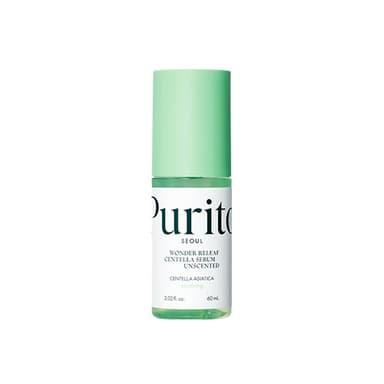
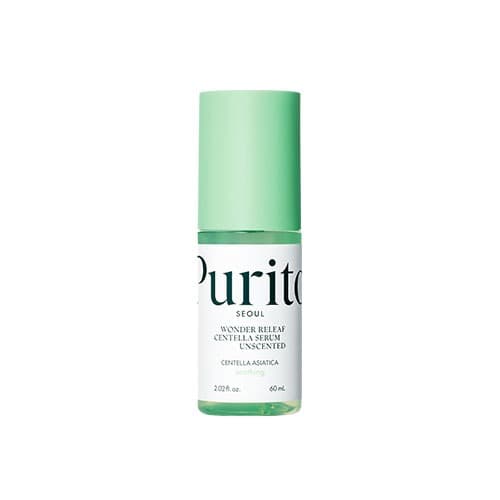
PURITO
Product Match93Excellent match

PURITO

Purito SEOUL Wonder Releaf Centella Serum Unscented 60ml

Serum – for Redness & sensitivity

$23.0060ml · $0.38/ml

★★★★★4.9(314)

Ideal for

  • ExcellentRedness & sensitivity
  • StrongDryness

Product Score

Breakdown of key factors contributing to this product match

Research Score

96%

62 scientific studies support the efficacy of this product's ingredients for your specific concerns

Consumer Reviews

88%

Based on 314 customer reviews (4.9★). Positive feedback from users with similar skin profiles and concerns.

Evidence for Niacinamide relies substantially on industry-funded studies — interpret claims with moderate caution
Mechanistic basis and clinical evidence for the applications of nicotinamide (niacinamide) to control skin aging and pigmentation
For Redness & sensitivityAntioxidants, 2021

Mechanistic review: niacinamide inhibits melanosome transfer via PAR-2 downregulation, upregulates ceramide and fatty acid synthesis for barrier repair, and reduces TEWL; Korean government-funded with no industry conflicts; notes most clinical trials are industry-sponsored

A double-blind, randomized clinical trial of niacinamide 4% versus hydroquinone 4% in the treatment of melasma
For Redness & sensitivityDermatology Research and Practice, 2011n=27

Niacinamide 4% comparable to hydroquinone 4% for melasma treatment (MASI reduction 43% vs 55%, p=ns); niacinamide showed significantly fewer side effects (0% vs 18% irritation); independently funded with no industry involvement

Effective inhibition of melanosome transfer to keratinocytes by lectins and niacinamide is reversible
For Redness & sensitivityExperimental Dermatology, 2005

Randomized controlled trial: Independent replication of melanosome transfer mechanism and reversibility.

TOPICAL NICOTINAMIDE COMPARED WITH CLINDAMYCIN GEL IN THE TREATMENT OF INELAMMATORY ACNE VULGARIS
For Redness & sensitivityInternational Journal of Dermatology, 1995

Randomized controlled trial (8 weeks): Acne efficacy vs topical antibiotic.

Topical niacinamide reduces yellowing, wrinkling, red blotchiness, and hyperpigmented spots in aging facial skin
For Redness & sensitivityInternational Journal of Cosmetic Science, 2004n=50

5% niacinamide significantly reduced skin yellowing (sallowness), wrinkling, and red blotchiness versus vehicle at 12 weeks by both instrumental and clinical assessment; P&G-funded with all authors affiliated with Procter & Gamble

The effect of niacinamide on reducing cutaneous pigmentation and suppression of melanosome transfer
For Redness & sensitivityBritish Journal of Dermatology, 2002n=79

Dose-finding study (n=79): 5% niacinamide significantly reduced hyperpigmentation and inhibited melanosome transfer versus vehicle (p<0.05); 2% concentration did not reach statistical significance for any endpoint; establishes 5% as minimum effective dose for pigmentation

Niacinamide
For Redness & sensitivityDermatologic Surgery, 2005n=50

Split-face RCT (n=50): 5% niacinamide moisturizer significantly reduced hyperpigmented spots, wrinkles, red blotchiness, and skin sallowness versus vehicle at 12 weeks; Procter & Gamble-funded — authors are P&G employees with financial interest in the formulation tested

Niacinamide: a B vitamin that improves aging facial skin appearance
For Redness & sensitivityDermatologic Surgery, 2005n=50

Randomized controlled trial (n=50, 12 weeks): Replication and elasticity endpoint addition.

Reduction in the appearance of facial hyperpigmentation by topical N‐acetyl glucosamine
For Redness & sensitivityJournal of Cosmetic Dermatology, 2007

Clinical study: Niacinamide plus N acetylglucosamine synergy for hyperpigmentation.

Nicotinamide increases biosynthesis of ceramides as well as other stratum corneum lipids to improve the epidermal permeability barrier
For Redness & sensitivityBritish Journal of Dermatology, 2000

Niacinamide dose-dependently stimulated ceramide synthesis (2.2-fold at 10 mM), free fatty acid synthesis, and cholesterol synthesis in cultured keratinocytes; proposed mechanism for barrier-repair activity observed in clinical trials
COSRX
Product Match93Excellent match

COSRX

COSRX The Alpha Arbutin 2 Discoloration Care

Serum – for Redness & sensitivity

$25.00

★★★★★4.5(1,196)

Ideal for

  • ExcellentRedness & sensitivity
  • StrongDryness

Not recommended for

MelasmaAtopic Dermatitis / EczemaRosaceaPsoriasis

Product Score

Breakdown of key factors contributing to this product match

Research Score

95%

63 scientific studies support the efficacy of this product's ingredients for your specific concerns

Consumer Reviews

90%

Based on 1,196 customer reviews (4.5★). Positive feedback from users with similar skin profiles and concerns.

Evidence for Niacinamide relies substantially on industry-funded studies — interpret claims with moderate caution
Mechanistic basis and clinical evidence for the applications of nicotinamide (niacinamide) to control skin aging and pigmentation
For Redness & sensitivityAntioxidants, 2021

Mechanistic review: niacinamide inhibits melanosome transfer via PAR-2 downregulation, upregulates ceramide and fatty acid synthesis for barrier repair, and reduces TEWL; Korean government-funded with no industry conflicts; notes most clinical trials are industry-sponsored

A double-blind, randomized clinical trial of niacinamide 4% versus hydroquinone 4% in the treatment of melasma
For Redness & sensitivityDermatology Research and Practice, 2011n=27

Niacinamide 4% comparable to hydroquinone 4% for melasma treatment (MASI reduction 43% vs 55%, p=ns); niacinamide showed significantly fewer side effects (0% vs 18% irritation); independently funded with no industry involvement

Effective inhibition of melanosome transfer to keratinocytes by lectins and niacinamide is reversible
For Redness & sensitivityExperimental Dermatology, 2005

Randomized controlled trial: Independent replication of melanosome transfer mechanism and reversibility.

TOPICAL NICOTINAMIDE COMPARED WITH CLINDAMYCIN GEL IN THE TREATMENT OF INELAMMATORY ACNE VULGARIS
For Redness & sensitivityInternational Journal of Dermatology, 1995

Randomized controlled trial (8 weeks): Acne efficacy vs topical antibiotic.

Topical niacinamide reduces yellowing, wrinkling, red blotchiness, and hyperpigmented spots in aging facial skin
For Redness & sensitivityInternational Journal of Cosmetic Science, 2004n=50

5% niacinamide significantly reduced skin yellowing (sallowness), wrinkling, and red blotchiness versus vehicle at 12 weeks by both instrumental and clinical assessment; P&G-funded with all authors affiliated with Procter & Gamble

The effect of niacinamide on reducing cutaneous pigmentation and suppression of melanosome transfer
For Redness & sensitivityBritish Journal of Dermatology, 2002n=79

Dose-finding study (n=79): 5% niacinamide significantly reduced hyperpigmentation and inhibited melanosome transfer versus vehicle (p<0.05); 2% concentration did not reach statistical significance for any endpoint; establishes 5% as minimum effective dose for pigmentation

Niacinamide
For Redness & sensitivityDermatologic Surgery, 2005n=50

Split-face RCT (n=50): 5% niacinamide moisturizer significantly reduced hyperpigmented spots, wrinkles, red blotchiness, and skin sallowness versus vehicle at 12 weeks; Procter & Gamble-funded — authors are P&G employees with financial interest in the formulation tested

Niacinamide: a B vitamin that improves aging facial skin appearance
For Redness & sensitivityDermatologic Surgery, 2005n=50

Randomized controlled trial (n=50, 12 weeks): Replication and elasticity endpoint addition.

Reduction in the appearance of facial hyperpigmentation by topical N‐acetyl glucosamine
For Redness & sensitivityJournal of Cosmetic Dermatology, 2007

Clinical study: Niacinamide plus N acetylglucosamine synergy for hyperpigmentation.

Nicotinamide increases biosynthesis of ceramides as well as other stratum corneum lipids to improve the epidermal permeability barrier
For Redness & sensitivityBritish Journal of Dermatology, 2000

Niacinamide dose-dependently stimulated ceramide synthesis (2.2-fold at 10 mM), free fatty acid synthesis, and cholesterol synthesis in cultured keratinocytes; proposed mechanism for barrier-repair activity observed in clinical trials
Drunk Elephant
Product Match93Excellent match

Drunk Elephant

Drunk Elephant Bouncy Brightfacial

Mask – for Redness & sensitivity

$69.00

★★★★★4.5(726)

Ideal for

  • ExcellentRedness & sensitivity
  • ExcellentOiliness & shine

Caution

May aggravate: Atopic Dermatitis / Eczema (Azelaic Acid and Salicylic Acid); Seborrheic Dermatitis (Linoleic Acid, Cetyl Alcohol and Polysorbate 60)

Product Score

Breakdown of key factors contributing to this product match

Research Score

94%

47 scientific studies support the efficacy of this product's ingredients for your specific concerns

Consumer Reviews

90%

Based on 726 customer reviews (4.5★). Positive feedback from users with similar skin profiles and concerns.

Contains photosensitising ingredient(s) (Azelaic Acid, Salicylic Acid) — always follow with SPF 30+ in the morning
Evidence for Niacinamide relies substantially on industry-funded studies — interpret claims with moderate caution
Mechanistic basis and clinical evidence for the applications of nicotinamide (niacinamide) to control skin aging and pigmentation
For Redness & sensitivityAntioxidants, 2021

Mechanistic review: niacinamide inhibits melanosome transfer via PAR-2 downregulation, upregulates ceramide and fatty acid synthesis for barrier repair, and reduces TEWL; Korean government-funded with no industry conflicts; notes most clinical trials are industry-sponsored

A double-blind, randomized clinical trial of niacinamide 4% versus hydroquinone 4% in the treatment of melasma
For Redness & sensitivityDermatology Research and Practice, 2011n=27

Niacinamide 4% comparable to hydroquinone 4% for melasma treatment (MASI reduction 43% vs 55%, p=ns); niacinamide showed significantly fewer side effects (0% vs 18% irritation); independently funded with no industry involvement

Effective inhibition of melanosome transfer to keratinocytes by lectins and niacinamide is reversible
For Redness & sensitivityExperimental Dermatology, 2005

Randomized controlled trial: Independent replication of melanosome transfer mechanism and reversibility.

TOPICAL NICOTINAMIDE COMPARED WITH CLINDAMYCIN GEL IN THE TREATMENT OF INELAMMATORY ACNE VULGARIS
For Redness & sensitivityInternational Journal of Dermatology, 1995

Randomized controlled trial (8 weeks): Acne efficacy vs topical antibiotic.

Topical niacinamide reduces yellowing, wrinkling, red blotchiness, and hyperpigmented spots in aging facial skin
For Redness & sensitivityInternational Journal of Cosmetic Science, 2004n=50

5% niacinamide significantly reduced skin yellowing (sallowness), wrinkling, and red blotchiness versus vehicle at 12 weeks by both instrumental and clinical assessment; P&G-funded with all authors affiliated with Procter & Gamble

The effect of niacinamide on reducing cutaneous pigmentation and suppression of melanosome transfer
For Redness & sensitivityBritish Journal of Dermatology, 2002n=79

Dose-finding study (n=79): 5% niacinamide significantly reduced hyperpigmentation and inhibited melanosome transfer versus vehicle (p<0.05); 2% concentration did not reach statistical significance for any endpoint; establishes 5% as minimum effective dose for pigmentation

Niacinamide
For Redness & sensitivityDermatologic Surgery, 2005n=50

Split-face RCT (n=50): 5% niacinamide moisturizer significantly reduced hyperpigmented spots, wrinkles, red blotchiness, and skin sallowness versus vehicle at 12 weeks; Procter & Gamble-funded — authors are P&G employees with financial interest in the formulation tested

Niacinamide: a B vitamin that improves aging facial skin appearance
For Redness & sensitivityDermatologic Surgery, 2005n=50

Randomized controlled trial (n=50, 12 weeks): Replication and elasticity endpoint addition.

Reduction in the appearance of facial hyperpigmentation by topical N‐acetyl glucosamine
For Redness & sensitivityJournal of Cosmetic Dermatology, 2007

Clinical study: Niacinamide plus N acetylglucosamine synergy for hyperpigmentation.

Nicotinamide increases biosynthesis of ceramides as well as other stratum corneum lipids to improve the epidermal permeability barrier
For Redness & sensitivityBritish Journal of Dermatology, 2000

Niacinamide dose-dependently stimulated ceramide synthesis (2.2-fold at 10 mM), free fatty acid synthesis, and cholesterol synthesis in cultured keratinocytes; proposed mechanism for barrier-repair activity observed in clinical trials

PEACH & LILY
Product Match93Excellent match

PEACH & LILY

Wild Dew Treatment Essence

Toner – for Redness & sensitivity

$39.00100ml · $0.39/ml

★★★★★4.7(2,978)

Ideal for

  • ExcellentRedness & sensitivity
  • ExcellentDryness

Caution

May aggravate: Rosacea (Eucalyptus Oil)

Product Score

Breakdown of key factors contributing to this product match

Research Score

92%

39 scientific studies support the efficacy of this product's ingredients for your specific concerns

Consumer Reviews

94%

Based on 2,978 customer reviews (4.7★). Positive feedback from users with similar skin profiles and concerns.

Evidence for Niacinamide relies substantially on industry-funded studies — interpret claims with moderate caution
Mechanistic basis and clinical evidence for the applications of nicotinamide (niacinamide) to control skin aging and pigmentation
For Redness & sensitivityAntioxidants, 2021

Mechanistic review: niacinamide inhibits melanosome transfer via PAR-2 downregulation, upregulates ceramide and fatty acid synthesis for barrier repair, and reduces TEWL; Korean government-funded with no industry conflicts; notes most clinical trials are industry-sponsored

A double-blind, randomized clinical trial of niacinamide 4% versus hydroquinone 4% in the treatment of melasma
For Redness & sensitivityDermatology Research and Practice, 2011n=27

Niacinamide 4% comparable to hydroquinone 4% for melasma treatment (MASI reduction 43% vs 55%, p=ns); niacinamide showed significantly fewer side effects (0% vs 18% irritation); independently funded with no industry involvement

Effective inhibition of melanosome transfer to keratinocytes by lectins and niacinamide is reversible
For Redness & sensitivityExperimental Dermatology, 2005

Randomized controlled trial: Independent replication of melanosome transfer mechanism and reversibility.

TOPICAL NICOTINAMIDE COMPARED WITH CLINDAMYCIN GEL IN THE TREATMENT OF INELAMMATORY ACNE VULGARIS
For Redness & sensitivityInternational Journal of Dermatology, 1995

Randomized controlled trial (8 weeks): Acne efficacy vs topical antibiotic.

Topical niacinamide reduces yellowing, wrinkling, red blotchiness, and hyperpigmented spots in aging facial skin
For Redness & sensitivityInternational Journal of Cosmetic Science, 2004n=50

5% niacinamide significantly reduced skin yellowing (sallowness), wrinkling, and red blotchiness versus vehicle at 12 weeks by both instrumental and clinical assessment; P&G-funded with all authors affiliated with Procter & Gamble

The effect of niacinamide on reducing cutaneous pigmentation and suppression of melanosome transfer
For Redness & sensitivityBritish Journal of Dermatology, 2002n=79

Dose-finding study (n=79): 5% niacinamide significantly reduced hyperpigmentation and inhibited melanosome transfer versus vehicle (p<0.05); 2% concentration did not reach statistical significance for any endpoint; establishes 5% as minimum effective dose for pigmentation

Niacinamide
For Redness & sensitivityDermatologic Surgery, 2005n=50

Split-face RCT (n=50): 5% niacinamide moisturizer significantly reduced hyperpigmented spots, wrinkles, red blotchiness, and skin sallowness versus vehicle at 12 weeks; Procter & Gamble-funded — authors are P&G employees with financial interest in the formulation tested

Niacinamide: a B vitamin that improves aging facial skin appearance
For Redness & sensitivityDermatologic Surgery, 2005n=50

Randomized controlled trial (n=50, 12 weeks): Replication and elasticity endpoint addition.

Reduction in the appearance of facial hyperpigmentation by topical N‐acetyl glucosamine
For Redness & sensitivityJournal of Cosmetic Dermatology, 2007

Clinical study: Niacinamide plus N acetylglucosamine synergy for hyperpigmentation.

Nicotinamide increases biosynthesis of ceramides as well as other stratum corneum lipids to improve the epidermal permeability barrier
For Redness & sensitivityBritish Journal of Dermatology, 2000

Niacinamide dose-dependently stimulated ceramide synthesis (2.2-fold at 10 mM), free fatty acid synthesis, and cholesterol synthesis in cultured keratinocytes; proposed mechanism for barrier-repair activity observed in clinical trials

PEACH & LILY
Product Match92Excellent match

PEACH & LILY

Matcha Pudding Antioxidant Cream - 1.69 oz

Moisturizer – for Redness & sensitivity

$43.0050ml · $0.86/ml

★★★★★4.4(3,452)

Ideal for

  • ExcellentRedness & sensitivity
  • StrongDryness

Caution

May aggravate: Seborrheic Dermatitis (Ethylhexyl Palmitate, Cetearyl Alcohol and Glyceryl Stearate); Rosacea (Citrus Oils)

Product Score

Breakdown of key factors contributing to this product match

Research Score

94%

34 scientific studies support the efficacy of this product's ingredients for your specific concerns

Consumer Reviews

88%

Based on 3,452 customer reviews (4.4★). Positive feedback from users with similar skin profiles and concerns.

Evidence for Niacinamide relies substantially on industry-funded studies — interpret claims with moderate caution
Mechanistic basis and clinical evidence for the applications of nicotinamide (niacinamide) to control skin aging and pigmentation
For Redness & sensitivityAntioxidants, 2021

Mechanistic review: niacinamide inhibits melanosome transfer via PAR-2 downregulation, upregulates ceramide and fatty acid synthesis for barrier repair, and reduces TEWL; Korean government-funded with no industry conflicts; notes most clinical trials are industry-sponsored

A double-blind, randomized clinical trial of niacinamide 4% versus hydroquinone 4% in the treatment of melasma
For Redness & sensitivityDermatology Research and Practice, 2011n=27

Niacinamide 4% comparable to hydroquinone 4% for melasma treatment (MASI reduction 43% vs 55%, p=ns); niacinamide showed significantly fewer side effects (0% vs 18% irritation); independently funded with no industry involvement

Effective inhibition of melanosome transfer to keratinocytes by lectins and niacinamide is reversible
For Redness & sensitivityExperimental Dermatology, 2005

Randomized controlled trial: Independent replication of melanosome transfer mechanism and reversibility.

TOPICAL NICOTINAMIDE COMPARED WITH CLINDAMYCIN GEL IN THE TREATMENT OF INELAMMATORY ACNE VULGARIS
For Redness & sensitivityInternational Journal of Dermatology, 1995

Randomized controlled trial (8 weeks): Acne efficacy vs topical antibiotic.

Topical niacinamide reduces yellowing, wrinkling, red blotchiness, and hyperpigmented spots in aging facial skin
For Redness & sensitivityInternational Journal of Cosmetic Science, 2004n=50

5% niacinamide significantly reduced skin yellowing (sallowness), wrinkling, and red blotchiness versus vehicle at 12 weeks by both instrumental and clinical assessment; P&G-funded with all authors affiliated with Procter & Gamble

The effect of niacinamide on reducing cutaneous pigmentation and suppression of melanosome transfer
For Redness & sensitivityBritish Journal of Dermatology, 2002n=79

Dose-finding study (n=79): 5% niacinamide significantly reduced hyperpigmentation and inhibited melanosome transfer versus vehicle (p<0.05); 2% concentration did not reach statistical significance for any endpoint; establishes 5% as minimum effective dose for pigmentation

Niacinamide
For Redness & sensitivityDermatologic Surgery, 2005n=50

Split-face RCT (n=50): 5% niacinamide moisturizer significantly reduced hyperpigmented spots, wrinkles, red blotchiness, and skin sallowness versus vehicle at 12 weeks; Procter & Gamble-funded — authors are P&G employees with financial interest in the formulation tested

Niacinamide: a B vitamin that improves aging facial skin appearance
For Redness & sensitivityDermatologic Surgery, 2005n=50

Randomized controlled trial (n=50, 12 weeks): Replication and elasticity endpoint addition.

Reduction in the appearance of facial hyperpigmentation by topical N‐acetyl glucosamine
For Redness & sensitivityJournal of Cosmetic Dermatology, 2007

Clinical study: Niacinamide plus N acetylglucosamine synergy for hyperpigmentation.

Nicotinamide increases biosynthesis of ceramides as well as other stratum corneum lipids to improve the epidermal permeability barrier
For Redness & sensitivityBritish Journal of Dermatology, 2000

Niacinamide dose-dependently stimulated ceramide synthesis (2.2-fold at 10 mM), free fatty acid synthesis, and cholesterol synthesis in cultured keratinocytes; proposed mechanism for barrier-repair activity observed in clinical trials

NEOGEN
Product Match92Excellent match

NEOGEN

Hyal Glow Rose Essence

Toner – for Redness & sensitivity

$32.00160ml · $0.20/ml

★★★★★4.9(450)

Ideal for

  • ExcellentRedness & sensitivity
  • StrongDryness

Not recommended for

Atopic Dermatitis / EczemaRosacea

Caution

May aggravate: Melasma (Fragrance); Seborrheic Dermatitis (Polysorbate 60, Palmitic Acid and Jojoba Oil); Perioral Dermatitis (Fragrance); Psoriasis (Fragrance)

Product Score

Breakdown of key factors contributing to this product match

Research Score

94%

60 scientific studies support the efficacy of this product's ingredients for your specific concerns

Consumer Reviews

88%

Based on 450 customer reviews (4.9★). Positive feedback from users with similar skin profiles and concerns.

Contains photosensitising ingredient(s) (Retinyl Palmitate) — always follow with SPF 30+ in the morning
Evidence for Niacinamide relies substantially on industry-funded studies — interpret claims with moderate caution
Mechanistic basis and clinical evidence for the applications of nicotinamide (niacinamide) to control skin aging and pigmentation
For Redness & sensitivityAntioxidants, 2021

Mechanistic review: niacinamide inhibits melanosome transfer via PAR-2 downregulation, upregulates ceramide and fatty acid synthesis for barrier repair, and reduces TEWL; Korean government-funded with no industry conflicts; notes most clinical trials are industry-sponsored

A double-blind, randomized clinical trial of niacinamide 4% versus hydroquinone 4% in the treatment of melasma
For Redness & sensitivityDermatology Research and Practice, 2011n=27

Niacinamide 4% comparable to hydroquinone 4% for melasma treatment (MASI reduction 43% vs 55%, p=ns); niacinamide showed significantly fewer side effects (0% vs 18% irritation); independently funded with no industry involvement

Effective inhibition of melanosome transfer to keratinocytes by lectins and niacinamide is reversible
For Redness & sensitivityExperimental Dermatology, 2005

Randomized controlled trial: Independent replication of melanosome transfer mechanism and reversibility.

TOPICAL NICOTINAMIDE COMPARED WITH CLINDAMYCIN GEL IN THE TREATMENT OF INELAMMATORY ACNE VULGARIS
For Redness & sensitivityInternational Journal of Dermatology, 1995

Randomized controlled trial (8 weeks): Acne efficacy vs topical antibiotic.

Topical niacinamide reduces yellowing, wrinkling, red blotchiness, and hyperpigmented spots in aging facial skin
For Redness & sensitivityInternational Journal of Cosmetic Science, 2004n=50

5% niacinamide significantly reduced skin yellowing (sallowness), wrinkling, and red blotchiness versus vehicle at 12 weeks by both instrumental and clinical assessment; P&G-funded with all authors affiliated with Procter & Gamble

The effect of niacinamide on reducing cutaneous pigmentation and suppression of melanosome transfer
For Redness & sensitivityBritish Journal of Dermatology, 2002n=79

Dose-finding study (n=79): 5% niacinamide significantly reduced hyperpigmentation and inhibited melanosome transfer versus vehicle (p<0.05); 2% concentration did not reach statistical significance for any endpoint; establishes 5% as minimum effective dose for pigmentation

Niacinamide
For Redness & sensitivityDermatologic Surgery, 2005n=50

Split-face RCT (n=50): 5% niacinamide moisturizer significantly reduced hyperpigmented spots, wrinkles, red blotchiness, and skin sallowness versus vehicle at 12 weeks; Procter & Gamble-funded — authors are P&G employees with financial interest in the formulation tested

Niacinamide: a B vitamin that improves aging facial skin appearance
For Redness & sensitivityDermatologic Surgery, 2005n=50

Randomized controlled trial (n=50, 12 weeks): Replication and elasticity endpoint addition.

Reduction in the appearance of facial hyperpigmentation by topical N‐acetyl glucosamine
For Redness & sensitivityJournal of Cosmetic Dermatology, 2007

Clinical study: Niacinamide plus N acetylglucosamine synergy for hyperpigmentation.

Nicotinamide increases biosynthesis of ceramides as well as other stratum corneum lipids to improve the epidermal permeability barrier
For Redness & sensitivityBritish Journal of Dermatology, 2000

Niacinamide dose-dependently stimulated ceramide synthesis (2.2-fold at 10 mM), free fatty acid synthesis, and cholesterol synthesis in cultured keratinocytes; proposed mechanism for barrier-repair activity observed in clinical trials

MEDIHEAL
Product Match92Excellent match

MEDIHEAL

Retinol Collagen Eye Ampoule Patch

Serum – for Redness & sensitivity

$24.00

★★★★★4.6(822)

Ideal for

  • ExcellentRedness & sensitivity
  • StrongFine lines & wrinkles

Not recommended for

Atopic Dermatitis / EczemaPsoriasisRosacea

Caution

May aggravate: Melasma (Fragrance); Perioral Dermatitis (Fragrance)

Product Score

Breakdown of key factors contributing to this product match

Research Score

96%

51 scientific studies support the efficacy of this product's ingredients for your specific concerns

Consumer Reviews

83%

Based on 822 customer reviews (4.6★). Positive feedback from users with similar skin profiles and concerns.

Evidence for Niacinamide relies substantially on industry-funded studies — interpret claims with moderate caution
Mechanistic basis and clinical evidence for the applications of nicotinamide (niacinamide) to control skin aging and pigmentation
For Redness & sensitivityAntioxidants, 2021

Mechanistic review: niacinamide inhibits melanosome transfer via PAR-2 downregulation, upregulates ceramide and fatty acid synthesis for barrier repair, and reduces TEWL; Korean government-funded with no industry conflicts; notes most clinical trials are industry-sponsored

A double-blind, randomized clinical trial of niacinamide 4% versus hydroquinone 4% in the treatment of melasma
For Redness & sensitivityDermatology Research and Practice, 2011n=27

Niacinamide 4% comparable to hydroquinone 4% for melasma treatment (MASI reduction 43% vs 55%, p=ns); niacinamide showed significantly fewer side effects (0% vs 18% irritation); independently funded with no industry involvement

Effective inhibition of melanosome transfer to keratinocytes by lectins and niacinamide is reversible
For Redness & sensitivityExperimental Dermatology, 2005

Randomized controlled trial: Independent replication of melanosome transfer mechanism and reversibility.

TOPICAL NICOTINAMIDE COMPARED WITH CLINDAMYCIN GEL IN THE TREATMENT OF INELAMMATORY ACNE VULGARIS
For Redness & sensitivityInternational Journal of Dermatology, 1995

Randomized controlled trial (8 weeks): Acne efficacy vs topical antibiotic.

Topical niacinamide reduces yellowing, wrinkling, red blotchiness, and hyperpigmented spots in aging facial skin
For Redness & sensitivityInternational Journal of Cosmetic Science, 2004n=50

5% niacinamide significantly reduced skin yellowing (sallowness), wrinkling, and red blotchiness versus vehicle at 12 weeks by both instrumental and clinical assessment; P&G-funded with all authors affiliated with Procter & Gamble

The effect of niacinamide on reducing cutaneous pigmentation and suppression of melanosome transfer
For Redness & sensitivityBritish Journal of Dermatology, 2002n=79

Dose-finding study (n=79): 5% niacinamide significantly reduced hyperpigmentation and inhibited melanosome transfer versus vehicle (p<0.05); 2% concentration did not reach statistical significance for any endpoint; establishes 5% as minimum effective dose for pigmentation

Niacinamide
For Redness & sensitivityDermatologic Surgery, 2005n=50

Split-face RCT (n=50): 5% niacinamide moisturizer significantly reduced hyperpigmented spots, wrinkles, red blotchiness, and skin sallowness versus vehicle at 12 weeks; Procter & Gamble-funded — authors are P&G employees with financial interest in the formulation tested

Niacinamide: a B vitamin that improves aging facial skin appearance
For Redness & sensitivityDermatologic Surgery, 2005n=50

Randomized controlled trial (n=50, 12 weeks): Replication and elasticity endpoint addition.

Reduction in the appearance of facial hyperpigmentation by topical N‐acetyl glucosamine
For Redness & sensitivityJournal of Cosmetic Dermatology, 2007

Clinical study: Niacinamide plus N acetylglucosamine synergy for hyperpigmentation.

Nicotinamide increases biosynthesis of ceramides as well as other stratum corneum lipids to improve the epidermal permeability barrier
For Redness & sensitivityBritish Journal of Dermatology, 2000

Niacinamide dose-dependently stimulated ceramide synthesis (2.2-fold at 10 mM), free fatty acid synthesis, and cholesterol synthesis in cultured keratinocytes; proposed mechanism for barrier-repair activity observed in clinical trials

FARMACY
Product Match91Excellent match

FARMACY

10% Niacinamide Night Mask

Moisturizer – for Redness & sensitivity

$45.0050.3ml · $0.90/ml

★★★★★4.8(1,224)

Ideal for

  • ExcellentRedness & sensitivity
  • ExcellentDryness

Caution

May aggravate: Seborrheic Dermatitis (Cetearyl Alcohol, Shea Butter and Jojoba Oil)

Product Score

Breakdown of key factors contributing to this product match

Research Score

89%

30 scientific studies support the efficacy of this product's ingredients for your specific concerns

Consumer Reviews

96%

Based on 1,224 customer reviews (4.8★). Positive feedback from users with similar skin profiles and concerns.

Evidence for Niacinamide relies substantially on industry-funded studies — interpret claims with moderate caution
Mechanistic basis and clinical evidence for the applications of nicotinamide (niacinamide) to control skin aging and pigmentation
For Redness & sensitivityAntioxidants, 2021

Mechanistic review: niacinamide inhibits melanosome transfer via PAR-2 downregulation, upregulates ceramide and fatty acid synthesis for barrier repair, and reduces TEWL; Korean government-funded with no industry conflicts; notes most clinical trials are industry-sponsored

A double-blind, randomized clinical trial of niacinamide 4% versus hydroquinone 4% in the treatment of melasma
For Redness & sensitivityDermatology Research and Practice, 2011n=27

Niacinamide 4% comparable to hydroquinone 4% for melasma treatment (MASI reduction 43% vs 55%, p=ns); niacinamide showed significantly fewer side effects (0% vs 18% irritation); independently funded with no industry involvement

Effective inhibition of melanosome transfer to keratinocytes by lectins and niacinamide is reversible
For Redness & sensitivityExperimental Dermatology, 2005

Randomized controlled trial: Independent replication of melanosome transfer mechanism and reversibility.

TOPICAL NICOTINAMIDE COMPARED WITH CLINDAMYCIN GEL IN THE TREATMENT OF INELAMMATORY ACNE VULGARIS
For Redness & sensitivityInternational Journal of Dermatology, 1995

Randomized controlled trial (8 weeks): Acne efficacy vs topical antibiotic.

Topical niacinamide reduces yellowing, wrinkling, red blotchiness, and hyperpigmented spots in aging facial skin
For Redness & sensitivityInternational Journal of Cosmetic Science, 2004n=50

5% niacinamide significantly reduced skin yellowing (sallowness), wrinkling, and red blotchiness versus vehicle at 12 weeks by both instrumental and clinical assessment; P&G-funded with all authors affiliated with Procter & Gamble

The effect of niacinamide on reducing cutaneous pigmentation and suppression of melanosome transfer
For Redness & sensitivityBritish Journal of Dermatology, 2002n=79

Dose-finding study (n=79): 5% niacinamide significantly reduced hyperpigmentation and inhibited melanosome transfer versus vehicle (p<0.05); 2% concentration did not reach statistical significance for any endpoint; establishes 5% as minimum effective dose for pigmentation

Niacinamide
For Redness & sensitivityDermatologic Surgery, 2005n=50

Split-face RCT (n=50): 5% niacinamide moisturizer significantly reduced hyperpigmented spots, wrinkles, red blotchiness, and skin sallowness versus vehicle at 12 weeks; Procter & Gamble-funded — authors are P&G employees with financial interest in the formulation tested

Niacinamide: a B vitamin that improves aging facial skin appearance
For Redness & sensitivityDermatologic Surgery, 2005n=50

Randomized controlled trial (n=50, 12 weeks): Replication and elasticity endpoint addition.

Reduction in the appearance of facial hyperpigmentation by topical N‐acetyl glucosamine
For Redness & sensitivityJournal of Cosmetic Dermatology, 2007

Clinical study: Niacinamide plus N acetylglucosamine synergy for hyperpigmentation.

Nicotinamide increases biosynthesis of ceramides as well as other stratum corneum lipids to improve the epidermal permeability barrier
For Redness & sensitivityBritish Journal of Dermatology, 2000

Niacinamide dose-dependently stimulated ceramide synthesis (2.2-fold at 10 mM), free fatty acid synthesis, and cholesterol synthesis in cultured keratinocytes; proposed mechanism for barrier-repair activity observed in clinical trials

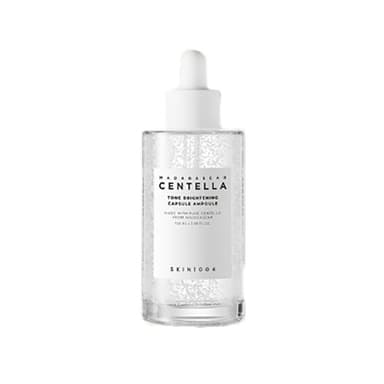
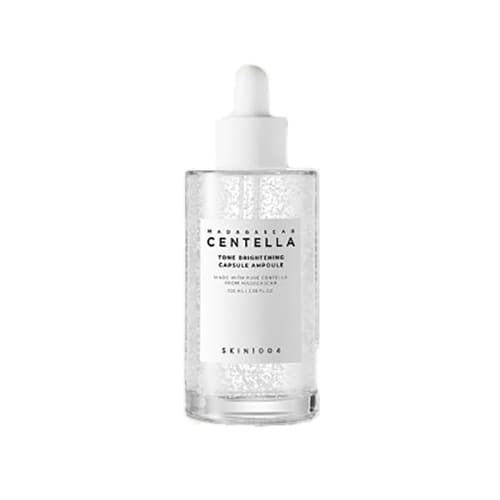
SKIN1004
Product Match91Excellent match

SKIN1004

SKIN1004 Madagascar Centella Tone Brightening Capsule Ampoule 100ml

Serum – for Redness & sensitivity

$25.00100ml · $0.25/ml

★★★★★4.9(1,261)

Ideal for

  • ExcellentRedness & sensitivity
  • StrongDryness

Product Score

Breakdown of key factors contributing to this product match

Research Score

88%

46 scientific studies support the efficacy of this product's ingredients for your specific concerns

Consumer Reviews

98%

Based on 1,261 customer reviews (4.9★). Positive feedback from users with similar skin profiles and concerns.

Evidence for Niacinamide relies substantially on industry-funded studies — interpret claims with moderate caution
Mechanistic basis and clinical evidence for the applications of nicotinamide (niacinamide) to control skin aging and pigmentation
For Redness & sensitivityAntioxidants, 2021

Mechanistic review: niacinamide inhibits melanosome transfer via PAR-2 downregulation, upregulates ceramide and fatty acid synthesis for barrier repair, and reduces TEWL; Korean government-funded with no industry conflicts; notes most clinical trials are industry-sponsored

A double-blind, randomized clinical trial of niacinamide 4% versus hydroquinone 4% in the treatment of melasma
For Redness & sensitivityDermatology Research and Practice, 2011n=27

Niacinamide 4% comparable to hydroquinone 4% for melasma treatment (MASI reduction 43% vs 55%, p=ns); niacinamide showed significantly fewer side effects (0% vs 18% irritation); independently funded with no industry involvement

Effective inhibition of melanosome transfer to keratinocytes by lectins and niacinamide is reversible
For Redness & sensitivityExperimental Dermatology, 2005

Randomized controlled trial: Independent replication of melanosome transfer mechanism and reversibility.

TOPICAL NICOTINAMIDE COMPARED WITH CLINDAMYCIN GEL IN THE TREATMENT OF INELAMMATORY ACNE VULGARIS
For Redness & sensitivityInternational Journal of Dermatology, 1995

Randomized controlled trial (8 weeks): Acne efficacy vs topical antibiotic.

Topical niacinamide reduces yellowing, wrinkling, red blotchiness, and hyperpigmented spots in aging facial skin
For Redness & sensitivityInternational Journal of Cosmetic Science, 2004n=50

5% niacinamide significantly reduced skin yellowing (sallowness), wrinkling, and red blotchiness versus vehicle at 12 weeks by both instrumental and clinical assessment; P&G-funded with all authors affiliated with Procter & Gamble

The effect of niacinamide on reducing cutaneous pigmentation and suppression of melanosome transfer
For Redness & sensitivityBritish Journal of Dermatology, 2002n=79

Dose-finding study (n=79): 5% niacinamide significantly reduced hyperpigmentation and inhibited melanosome transfer versus vehicle (p<0.05); 2% concentration did not reach statistical significance for any endpoint; establishes 5% as minimum effective dose for pigmentation

Niacinamide
For Redness & sensitivityDermatologic Surgery, 2005n=50

Split-face RCT (n=50): 5% niacinamide moisturizer significantly reduced hyperpigmented spots, wrinkles, red blotchiness, and skin sallowness versus vehicle at 12 weeks; Procter & Gamble-funded — authors are P&G employees with financial interest in the formulation tested

Niacinamide: a B vitamin that improves aging facial skin appearance
For Redness & sensitivityDermatologic Surgery, 2005n=50

Randomized controlled trial (n=50, 12 weeks): Replication and elasticity endpoint addition.

Reduction in the appearance of facial hyperpigmentation by topical N‐acetyl glucosamine
For Redness & sensitivityJournal of Cosmetic Dermatology, 2007

Clinical study: Niacinamide plus N acetylglucosamine synergy for hyperpigmentation.

Nicotinamide increases biosynthesis of ceramides as well as other stratum corneum lipids to improve the epidermal permeability barrier
For Redness & sensitivityBritish Journal of Dermatology, 2000

Niacinamide dose-dependently stimulated ceramide synthesis (2.2-fold at 10 mM), free fatty acid synthesis, and cholesterol synthesis in cultured keratinocytes; proposed mechanism for barrier-repair activity observed in clinical trials