All concerns

Best products for oiliness & shine

Understanding Oiliness & shine

These matches assume a default profile. Complete your profile to score them against your skin.

10 of 100
Dermalogica
Product Match94Excellent match

Dermalogica

Dermalogica Age Reversal Eye Complex

Serum – for Oiliness & shine

$87.00

★★★★★4.6(4,540)

Ideal for

  • ExcellentOiliness & shine
  • ExcellentDryness

Not recommended for

Atopic Dermatitis / EczemaPsoriasis

Caution

May aggravate: Seborrheic Dermatitis (Cetyl Alcohol and Glyceryl Stearate)

Product Score

Breakdown of key factors contributing to this product match

Research Score

95%

33 scientific studies support the efficacy of this product's ingredients for your specific concerns

Consumer Reviews

92%

Based on 4,540 customer reviews (4.6★). Positive feedback from users with similar skin profiles and concerns.

Retinol and Salicylic Acid may interact negatively in the same formula — check pH compatibility
Contains photosensitising ingredient(s) (Retinol, Retinyl Palmitate) — always follow with SPF 30+ in the morning
Keratolytics and Emollients and Their Role in the Therapy of Psoriasis: a Systematic Review
For Oiliness & shineDermatology and Therapy, 2015n=120

Systematic review of keratolytics and emollients in psoriasis therapy: salicylic acid is a key keratolytic that removes psoriatic scale and improves penetration of co-applied topical agents; supports salicylic acid as an evidence-based adjunctive (descaling) treatment rather than a standalone therapy.

Salicylic acid as a peeling agent: a comprehensive review
For Oiliness & shineClinical, Cosmetic and Investigational Dermatology, 2015

Comprehensive review: salicylic acid (2%) is the only lipophilic BHA, enabling comedolytic and anti-inflammatory activity within the pilosebaceous unit; effective for acne vulgaris, melasma, photodamage, and keratosis pilaris; 20-30% SA peels show efficacy comparable to glycolic acid peels with lower erythema risk in Fitzpatrick IV-VI

Comparison of tretinoin 0.05% cream and 3% alcohol-based salicylic acid preparation in the treatment of acne vulgaris
For Oiliness & shineJournal of the European Academy of Dermatology and Venereology, 2011n=50

Single-blind RCT (n=46, 12 weeks) in mild-to-moderate acne comparing salicylic acid 3% plus clindamycin with tretinoin 0.05% plus clindamycin: both significantly reduced inflammatory and non-inflammatory lesion counts; tretinoin acted faster (significant by week 2) but groups were comparable at 12 weeks, and both were well tolerated.

Treatment of acne vulgaris with salicylic acid pads
For Oiliness & shineClinical Therapeutics, 1992

This review of four placebo-controlled clinical studies and a comedolytic assay found that 0.5% and 2% salicylic acid pads reduced the number and severity of acne lesions in mild-to-moderate acne vulgaris. Comparative data showed salicylic acid superior to benzoyl peroxide, with adverse effects limited to mild local irritation.

The Safety and Efficacy of Salicylic Acid Chemical Peels in Darker Racial-ethnic Groups
For Oiliness & shineDermatologic Surgery, 1999n=25

Randomized controlled trial (n=25): Pivotal skin of color salicylic peel evidence for acne PIH melasma oily skin.

Salicylic Acid Peels Versus Jessner's Solution for Acne Vulgaris: A Comparative Study
For Oiliness & shineDermatologic Surgery, 2013

Randomized controlled trial: Salicylic vs Jessner equivalent efficacy better tolerability for salicylic.

Jessner's solution vs. 30% salicylic acid peels: a comparative study of the efficacy and safety in mild‐to‐moderate acne vulgaris
For Oiliness & shineJournal of Cosmetic Dermatology, 2016

Randomized controlled trial: Comparable efficacy of salicylic to Jessner.

The effects of topically applied glycolic acid and salicylic acid on ultraviolet radiation-induced erythema, DNA damage and sunburn cell formation in human skin
For Oiliness & shineJournal of Dermatological Science, 2009

Clinical study: Definitive evidence that salicylic does NOT increase UV sensitivity unlike glycolic; key differentiator from AHA family.

Comparison of α- and β-Hydroxy Acid Chemical Peels in the Treatment of Mild to Moderately Severe Facial Acne Vulgaris
For Oiliness & shineDermatologic Surgery, 2007

Clinical study: Direct head to head AHA vs BHA for acne.

Salicylic Acid Peels for the Treatment of Photoaging
For Oiliness & shineDermatologic Surgery, 1998

Clinical study: Salicylic peel for photoaging secondary indication.
Drunk Elephant
Product Match93Excellent match

Drunk Elephant

Drunk Elephant Bouncy Brightfacial

Mask – for Oiliness & shine

$69.00

★★★★★4.5(726)

Ideal for

  • ExcellentOiliness & shine
  • ExcellentRedness & sensitivity

Caution

May aggravate: Atopic Dermatitis / Eczema (Azelaic Acid and Salicylic Acid); Seborrheic Dermatitis (Linoleic Acid, Cetyl Alcohol and Polysorbate 60)

Product Score

Breakdown of key factors contributing to this product match

Research Score

94%

32 scientific studies support the efficacy of this product's ingredients for your specific concerns

Consumer Reviews

90%

Based on 726 customer reviews (4.5★). Positive feedback from users with similar skin profiles and concerns.

Contains photosensitising ingredient(s) (Azelaic Acid, Salicylic Acid) — always follow with SPF 30+ in the morning
Keratolytics and Emollients and Their Role in the Therapy of Psoriasis: a Systematic Review
For Oiliness & shineDermatology and Therapy, 2015n=120

Systematic review of keratolytics and emollients in psoriasis therapy: salicylic acid is a key keratolytic that removes psoriatic scale and improves penetration of co-applied topical agents; supports salicylic acid as an evidence-based adjunctive (descaling) treatment rather than a standalone therapy.

Salicylic acid as a peeling agent: a comprehensive review
For Oiliness & shineClinical, Cosmetic and Investigational Dermatology, 2015

Comprehensive review: salicylic acid (2%) is the only lipophilic BHA, enabling comedolytic and anti-inflammatory activity within the pilosebaceous unit; effective for acne vulgaris, melasma, photodamage, and keratosis pilaris; 20-30% SA peels show efficacy comparable to glycolic acid peels with lower erythema risk in Fitzpatrick IV-VI

Comparison of tretinoin 0.05% cream and 3% alcohol-based salicylic acid preparation in the treatment of acne vulgaris
For Oiliness & shineJournal of the European Academy of Dermatology and Venereology, 2011n=50

Single-blind RCT (n=46, 12 weeks) in mild-to-moderate acne comparing salicylic acid 3% plus clindamycin with tretinoin 0.05% plus clindamycin: both significantly reduced inflammatory and non-inflammatory lesion counts; tretinoin acted faster (significant by week 2) but groups were comparable at 12 weeks, and both were well tolerated.

Treatment of acne vulgaris with salicylic acid pads
For Oiliness & shineClinical Therapeutics, 1992

This review of four placebo-controlled clinical studies and a comedolytic assay found that 0.5% and 2% salicylic acid pads reduced the number and severity of acne lesions in mild-to-moderate acne vulgaris. Comparative data showed salicylic acid superior to benzoyl peroxide, with adverse effects limited to mild local irritation.

The Safety and Efficacy of Salicylic Acid Chemical Peels in Darker Racial-ethnic Groups
For Oiliness & shineDermatologic Surgery, 1999n=25

Randomized controlled trial (n=25): Pivotal skin of color salicylic peel evidence for acne PIH melasma oily skin.

Salicylic Acid Peels Versus Jessner's Solution for Acne Vulgaris: A Comparative Study
For Oiliness & shineDermatologic Surgery, 2013

Randomized controlled trial: Salicylic vs Jessner equivalent efficacy better tolerability for salicylic.

Jessner's solution vs. 30% salicylic acid peels: a comparative study of the efficacy and safety in mild‐to‐moderate acne vulgaris
For Oiliness & shineJournal of Cosmetic Dermatology, 2016

Randomized controlled trial: Comparable efficacy of salicylic to Jessner.

The effects of topically applied glycolic acid and salicylic acid on ultraviolet radiation-induced erythema, DNA damage and sunburn cell formation in human skin
For Oiliness & shineJournal of Dermatological Science, 2009

Clinical study: Definitive evidence that salicylic does NOT increase UV sensitivity unlike glycolic; key differentiator from AHA family.

Comparison of α- and β-Hydroxy Acid Chemical Peels in the Treatment of Mild to Moderately Severe Facial Acne Vulgaris
For Oiliness & shineDermatologic Surgery, 2007

Clinical study: Direct head to head AHA vs BHA for acne.

Salicylic Acid Peels for the Treatment of Photoaging
For Oiliness & shineDermatologic Surgery, 1998

Clinical study: Salicylic peel for photoaging secondary indication.
Innisfree
Product Match93Excellent match

Innisfree

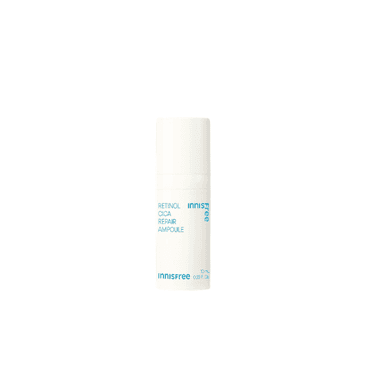
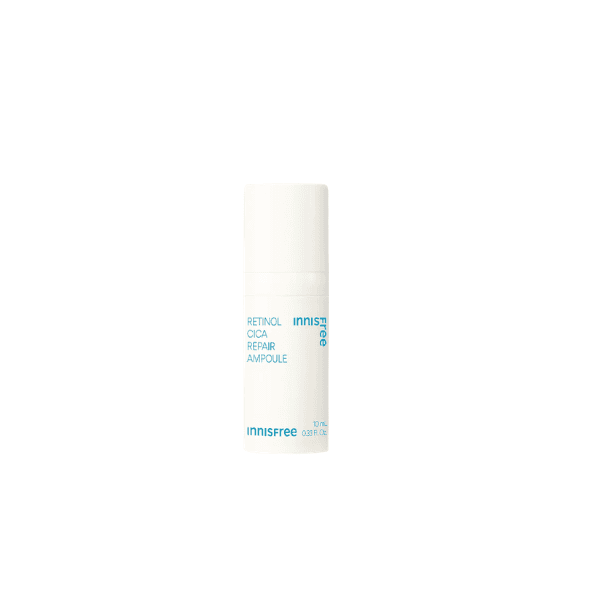
innisfree Retinol Cica Repair Ampoule

Serum – for Oiliness & shine

$3.2010ml · $0.32/ml

★★★★★4.3(5,400)

Ideal for

  • ExcellentOiliness & shine
  • StrongFine lines & wrinkles

Not recommended for

Atopic Dermatitis / EczemaPsoriasis

Product Score

Breakdown of key factors contributing to this product match

Research Score

95%

33 scientific studies support the efficacy of this product's ingredients for your specific concerns

Consumer Reviews

87%

Based on 5,400 customer reviews (4.3★). Positive feedback from users with similar skin profiles and concerns.

Retinol and Salicylic Acid may interact negatively in the same formula — check pH compatibility
Contains photosensitising ingredient(s) (Retinol, Salicylic Acid) — always follow with SPF 30+ in the morning
Keratolytics and Emollients and Their Role in the Therapy of Psoriasis: a Systematic Review
For Oiliness & shineDermatology and Therapy, 2015n=120

Systematic review of keratolytics and emollients in psoriasis therapy: salicylic acid is a key keratolytic that removes psoriatic scale and improves penetration of co-applied topical agents; supports salicylic acid as an evidence-based adjunctive (descaling) treatment rather than a standalone therapy.

Salicylic acid as a peeling agent: a comprehensive review
For Oiliness & shineClinical, Cosmetic and Investigational Dermatology, 2015

Comprehensive review: salicylic acid (2%) is the only lipophilic BHA, enabling comedolytic and anti-inflammatory activity within the pilosebaceous unit; effective for acne vulgaris, melasma, photodamage, and keratosis pilaris; 20-30% SA peels show efficacy comparable to glycolic acid peels with lower erythema risk in Fitzpatrick IV-VI

Comparison of tretinoin 0.05% cream and 3% alcohol-based salicylic acid preparation in the treatment of acne vulgaris
For Oiliness & shineJournal of the European Academy of Dermatology and Venereology, 2011n=50

Single-blind RCT (n=46, 12 weeks) in mild-to-moderate acne comparing salicylic acid 3% plus clindamycin with tretinoin 0.05% plus clindamycin: both significantly reduced inflammatory and non-inflammatory lesion counts; tretinoin acted faster (significant by week 2) but groups were comparable at 12 weeks, and both were well tolerated.

Treatment of acne vulgaris with salicylic acid pads
For Oiliness & shineClinical Therapeutics, 1992

This review of four placebo-controlled clinical studies and a comedolytic assay found that 0.5% and 2% salicylic acid pads reduced the number and severity of acne lesions in mild-to-moderate acne vulgaris. Comparative data showed salicylic acid superior to benzoyl peroxide, with adverse effects limited to mild local irritation.

The Safety and Efficacy of Salicylic Acid Chemical Peels in Darker Racial-ethnic Groups
For Oiliness & shineDermatologic Surgery, 1999n=25

Randomized controlled trial (n=25): Pivotal skin of color salicylic peel evidence for acne PIH melasma oily skin.

Salicylic Acid Peels Versus Jessner's Solution for Acne Vulgaris: A Comparative Study
For Oiliness & shineDermatologic Surgery, 2013

Randomized controlled trial: Salicylic vs Jessner equivalent efficacy better tolerability for salicylic.

Jessner's solution vs. 30% salicylic acid peels: a comparative study of the efficacy and safety in mild‐to‐moderate acne vulgaris
For Oiliness & shineJournal of Cosmetic Dermatology, 2016

Randomized controlled trial: Comparable efficacy of salicylic to Jessner.

The effects of topically applied glycolic acid and salicylic acid on ultraviolet radiation-induced erythema, DNA damage and sunburn cell formation in human skin
For Oiliness & shineJournal of Dermatological Science, 2009

Clinical study: Definitive evidence that salicylic does NOT increase UV sensitivity unlike glycolic; key differentiator from AHA family.

Comparison of α- and β-Hydroxy Acid Chemical Peels in the Treatment of Mild to Moderately Severe Facial Acne Vulgaris
For Oiliness & shineDermatologic Surgery, 2007

Clinical study: Direct head to head AHA vs BHA for acne.

Salicylic Acid Peels for the Treatment of Photoaging
For Oiliness & shineDermatologic Surgery, 1998

Clinical study: Salicylic peel for photoaging secondary indication.

Naturium
Product Match91Excellent match

Naturium

naturium Vitamin C Super Serum Plus

Serum – for Oiliness & shine

$25.99

★★★★★4.5(230)

Ideal for

  • ExcellentOiliness & shine
  • StrongEnlarged pores

Not recommended for

Atopic Dermatitis / EczemaPsoriasis

Caution

May aggravate: Seborrheic Dermatitis (Sorbitan Oleate, Polysorbate 80 and Polysorbate 60)

Product Score

Breakdown of key factors contributing to this product match

Research Score

95%

33 scientific studies support the efficacy of this product's ingredients for your specific concerns

Consumer Reviews

81%

Based on 230 customer reviews (4.5★). Positive feedback from users with similar skin profiles and concerns.

Niacinamide and L-Ascorbic Acid may interact negatively in the same formula — check pH compatibility
L-Ascorbic Acid and Retinol may interact negatively in the same formula — check pH compatibility
Retinol and Salicylic Acid may interact negatively in the same formula — check pH compatibility
Contains photosensitising ingredient(s) (Retinol, Salicylic Acid) — always follow with SPF 30+ in the morning
Keratolytics and Emollients and Their Role in the Therapy of Psoriasis: a Systematic Review
For Oiliness & shineDermatology and Therapy, 2015n=120

Systematic review of keratolytics and emollients in psoriasis therapy: salicylic acid is a key keratolytic that removes psoriatic scale and improves penetration of co-applied topical agents; supports salicylic acid as an evidence-based adjunctive (descaling) treatment rather than a standalone therapy.

Salicylic acid as a peeling agent: a comprehensive review
For Oiliness & shineClinical, Cosmetic and Investigational Dermatology, 2015

Comprehensive review: salicylic acid (2%) is the only lipophilic BHA, enabling comedolytic and anti-inflammatory activity within the pilosebaceous unit; effective for acne vulgaris, melasma, photodamage, and keratosis pilaris; 20-30% SA peels show efficacy comparable to glycolic acid peels with lower erythema risk in Fitzpatrick IV-VI

Comparison of tretinoin 0.05% cream and 3% alcohol-based salicylic acid preparation in the treatment of acne vulgaris
For Oiliness & shineJournal of the European Academy of Dermatology and Venereology, 2011n=50

Single-blind RCT (n=46, 12 weeks) in mild-to-moderate acne comparing salicylic acid 3% plus clindamycin with tretinoin 0.05% plus clindamycin: both significantly reduced inflammatory and non-inflammatory lesion counts; tretinoin acted faster (significant by week 2) but groups were comparable at 12 weeks, and both were well tolerated.

Treatment of acne vulgaris with salicylic acid pads
For Oiliness & shineClinical Therapeutics, 1992

This review of four placebo-controlled clinical studies and a comedolytic assay found that 0.5% and 2% salicylic acid pads reduced the number and severity of acne lesions in mild-to-moderate acne vulgaris. Comparative data showed salicylic acid superior to benzoyl peroxide, with adverse effects limited to mild local irritation.

The Safety and Efficacy of Salicylic Acid Chemical Peels in Darker Racial-ethnic Groups
For Oiliness & shineDermatologic Surgery, 1999n=25

Randomized controlled trial (n=25): Pivotal skin of color salicylic peel evidence for acne PIH melasma oily skin.

Salicylic Acid Peels Versus Jessner's Solution for Acne Vulgaris: A Comparative Study
For Oiliness & shineDermatologic Surgery, 2013

Randomized controlled trial: Salicylic vs Jessner equivalent efficacy better tolerability for salicylic.

Jessner's solution vs. 30% salicylic acid peels: a comparative study of the efficacy and safety in mild‐to‐moderate acne vulgaris
For Oiliness & shineJournal of Cosmetic Dermatology, 2016

Randomized controlled trial: Comparable efficacy of salicylic to Jessner.

The effects of topically applied glycolic acid and salicylic acid on ultraviolet radiation-induced erythema, DNA damage and sunburn cell formation in human skin
For Oiliness & shineJournal of Dermatological Science, 2009

Clinical study: Definitive evidence that salicylic does NOT increase UV sensitivity unlike glycolic; key differentiator from AHA family.

Comparison of α- and β-Hydroxy Acid Chemical Peels in the Treatment of Mild to Moderately Severe Facial Acne Vulgaris
For Oiliness & shineDermatologic Surgery, 2007

Clinical study: Direct head to head AHA vs BHA for acne.

Salicylic Acid Peels for the Treatment of Photoaging
For Oiliness & shineDermatologic Surgery, 1998

Clinical study: Salicylic peel for photoaging secondary indication.

Caudalie
Product Match91Excellent match

Caudalie

Caudalie Vinopure Natural Salicylic Acid Pore Minimising Serum 30ml

Serum – for Oiliness & shine

$40.6430ml · $1.35/ml

★★★★★4.8(14,017)

Ideal for

  • ExcellentOiliness & shine
  • StrongEnlarged pores

Not recommended for

Atopic Dermatitis / EczemaRosaceaPsoriasisMelasma

Product Score

Breakdown of key factors contributing to this product match

Research Score

89%

23 scientific studies support the efficacy of this product's ingredients for your specific concerns

Consumer Reviews

96%

Based on 14,017 customer reviews (4.8★). Positive feedback from users with similar skin profiles and concerns.

Contains photosensitising ingredient(s) (Salicylic Acid) — always follow with SPF 30+ in the morning
Keratolytics and Emollients and Their Role in the Therapy of Psoriasis: a Systematic Review
For Oiliness & shineDermatology and Therapy, 2015n=120

Systematic review of keratolytics and emollients in psoriasis therapy: salicylic acid is a key keratolytic that removes psoriatic scale and improves penetration of co-applied topical agents; supports salicylic acid as an evidence-based adjunctive (descaling) treatment rather than a standalone therapy.

Salicylic acid as a peeling agent: a comprehensive review
For Oiliness & shineClinical, Cosmetic and Investigational Dermatology, 2015

Comprehensive review: salicylic acid (2%) is the only lipophilic BHA, enabling comedolytic and anti-inflammatory activity within the pilosebaceous unit; effective for acne vulgaris, melasma, photodamage, and keratosis pilaris; 20-30% SA peels show efficacy comparable to glycolic acid peels with lower erythema risk in Fitzpatrick IV-VI

Comparison of tretinoin 0.05% cream and 3% alcohol-based salicylic acid preparation in the treatment of acne vulgaris
For Oiliness & shineJournal of the European Academy of Dermatology and Venereology, 2011n=50

Single-blind RCT (n=46, 12 weeks) in mild-to-moderate acne comparing salicylic acid 3% plus clindamycin with tretinoin 0.05% plus clindamycin: both significantly reduced inflammatory and non-inflammatory lesion counts; tretinoin acted faster (significant by week 2) but groups were comparable at 12 weeks, and both were well tolerated.

Treatment of acne vulgaris with salicylic acid pads
For Oiliness & shineClinical Therapeutics, 1992

This review of four placebo-controlled clinical studies and a comedolytic assay found that 0.5% and 2% salicylic acid pads reduced the number and severity of acne lesions in mild-to-moderate acne vulgaris. Comparative data showed salicylic acid superior to benzoyl peroxide, with adverse effects limited to mild local irritation.

The Safety and Efficacy of Salicylic Acid Chemical Peels in Darker Racial-ethnic Groups
For Oiliness & shineDermatologic Surgery, 1999n=25

Randomized controlled trial (n=25): Pivotal skin of color salicylic peel evidence for acne PIH melasma oily skin.

Salicylic Acid Peels Versus Jessner's Solution for Acne Vulgaris: A Comparative Study
For Oiliness & shineDermatologic Surgery, 2013

Randomized controlled trial: Salicylic vs Jessner equivalent efficacy better tolerability for salicylic.

Jessner's solution vs. 30% salicylic acid peels: a comparative study of the efficacy and safety in mild‐to‐moderate acne vulgaris
For Oiliness & shineJournal of Cosmetic Dermatology, 2016

Randomized controlled trial: Comparable efficacy of salicylic to Jessner.

The effects of topically applied glycolic acid and salicylic acid on ultraviolet radiation-induced erythema, DNA damage and sunburn cell formation in human skin
For Oiliness & shineJournal of Dermatological Science, 2009

Clinical study: Definitive evidence that salicylic does NOT increase UV sensitivity unlike glycolic; key differentiator from AHA family.

Comparison of α- and β-Hydroxy Acid Chemical Peels in the Treatment of Mild to Moderately Severe Facial Acne Vulgaris
For Oiliness & shineDermatologic Surgery, 2007

Clinical study: Direct head to head AHA vs BHA for acne.

Salicylic Acid Peels for the Treatment of Photoaging
For Oiliness & shineDermatologic Surgery, 1998

Clinical study: Salicylic peel for photoaging secondary indication.

MAC
Product Match90Excellent match

MAC

Hyper Real Serumizer Skin Balancing Hydration Serum - 1.0 oz

Serum – for Oiliness & shine

$65.0029.6ml · $2.20/ml

★★★★★4.7(1,698)

Ideal for

  • ExcellentOiliness & shine
  • ExcellentEnlarged pores
  • ExcellentUneven texture

Not recommended for

Atopic Dermatitis / EczemaPsoriasisRosacea

Caution

May aggravate: Melasma (Fragrance); Seborrheic Dermatitis (Linoleic Acid); Perioral Dermatitis (Fragrance)

Product Score

Breakdown of key factors contributing to this product match

Research Score

89%

23 scientific studies support the efficacy of this product's ingredients for your specific concerns

Consumer Reviews

94%

Based on 1,698 customer reviews (4.7★). Positive feedback from users with similar skin profiles and concerns.

Higher Fitzpatrick types have increased PIH risk with glycolic acid — consider mandelic acid as a gentler AHA alternative.
Keratolytics and Emollients and Their Role in the Therapy of Psoriasis: a Systematic Review
For Oiliness & shineDermatology and Therapy, 2015n=120

Systematic review of keratolytics and emollients in psoriasis therapy: salicylic acid is a key keratolytic that removes psoriatic scale and improves penetration of co-applied topical agents; supports salicylic acid as an evidence-based adjunctive (descaling) treatment rather than a standalone therapy.

Salicylic acid as a peeling agent: a comprehensive review
For Oiliness & shineClinical, Cosmetic and Investigational Dermatology, 2015

Comprehensive review: salicylic acid (2%) is the only lipophilic BHA, enabling comedolytic and anti-inflammatory activity within the pilosebaceous unit; effective for acne vulgaris, melasma, photodamage, and keratosis pilaris; 20-30% SA peels show efficacy comparable to glycolic acid peels with lower erythema risk in Fitzpatrick IV-VI

Comparison of tretinoin 0.05% cream and 3% alcohol-based salicylic acid preparation in the treatment of acne vulgaris
For Oiliness & shineJournal of the European Academy of Dermatology and Venereology, 2011n=50

Single-blind RCT (n=46, 12 weeks) in mild-to-moderate acne comparing salicylic acid 3% plus clindamycin with tretinoin 0.05% plus clindamycin: both significantly reduced inflammatory and non-inflammatory lesion counts; tretinoin acted faster (significant by week 2) but groups were comparable at 12 weeks, and both were well tolerated.

Treatment of acne vulgaris with salicylic acid pads
For Oiliness & shineClinical Therapeutics, 1992

This review of four placebo-controlled clinical studies and a comedolytic assay found that 0.5% and 2% salicylic acid pads reduced the number and severity of acne lesions in mild-to-moderate acne vulgaris. Comparative data showed salicylic acid superior to benzoyl peroxide, with adverse effects limited to mild local irritation.

The Safety and Efficacy of Salicylic Acid Chemical Peels in Darker Racial-ethnic Groups
For Oiliness & shineDermatologic Surgery, 1999n=25

Randomized controlled trial (n=25): Pivotal skin of color salicylic peel evidence for acne PIH melasma oily skin.

Salicylic Acid Peels Versus Jessner's Solution for Acne Vulgaris: A Comparative Study
For Oiliness & shineDermatologic Surgery, 2013

Randomized controlled trial: Salicylic vs Jessner equivalent efficacy better tolerability for salicylic.

Jessner's solution vs. 30% salicylic acid peels: a comparative study of the efficacy and safety in mild‐to‐moderate acne vulgaris
For Oiliness & shineJournal of Cosmetic Dermatology, 2016

Randomized controlled trial: Comparable efficacy of salicylic to Jessner.

The effects of topically applied glycolic acid and salicylic acid on ultraviolet radiation-induced erythema, DNA damage and sunburn cell formation in human skin
For Oiliness & shineJournal of Dermatological Science, 2009

Clinical study: Definitive evidence that salicylic does NOT increase UV sensitivity unlike glycolic; key differentiator from AHA family.

Comparison of α- and β-Hydroxy Acid Chemical Peels in the Treatment of Mild to Moderately Severe Facial Acne Vulgaris
For Oiliness & shineDermatologic Surgery, 2007

Clinical study: Direct head to head AHA vs BHA for acne.

Salicylic Acid Peels for the Treatment of Photoaging
For Oiliness & shineDermatologic Surgery, 1998

Clinical study: Salicylic peel for photoaging secondary indication.

Lancôme
Product Match90Excellent match

Lancôme

Absolue Longevity MD Reset Face Cream for Mature Skin - 1.7 oz

Moisturizer – for Oiliness & shine

$155.0050.3ml · $3.08/ml

★★★★★4.7(3,304)

Ideal for

  • ExcellentOiliness & shine
  • StrongEnlarged pores

Not recommended for

MelasmaAtopic Dermatitis / EczemaRosaceaPsoriasis

Caution

May aggravate: Seborrheic Dermatitis (Cetyl Alcohol, Glyceryl Stearate and Stearyl Alcohol); Perioral Dermatitis (Petrolatum)

Product Score

Breakdown of key factors contributing to this product match

Research Score

89%

23 scientific studies support the efficacy of this product's ingredients for your specific concerns

Consumer Reviews

94%

Based on 3,304 customer reviews (4.7★). Positive feedback from users with similar skin profiles and concerns.

Contains photosensitising ingredient(s) (Salicylic Acid) — always follow with SPF 30+ in the morning
Keratolytics and Emollients and Their Role in the Therapy of Psoriasis: a Systematic Review
For Oiliness & shineDermatology and Therapy, 2015n=120

Systematic review of keratolytics and emollients in psoriasis therapy: salicylic acid is a key keratolytic that removes psoriatic scale and improves penetration of co-applied topical agents; supports salicylic acid as an evidence-based adjunctive (descaling) treatment rather than a standalone therapy.

Salicylic acid as a peeling agent: a comprehensive review
For Oiliness & shineClinical, Cosmetic and Investigational Dermatology, 2015

Comprehensive review: salicylic acid (2%) is the only lipophilic BHA, enabling comedolytic and anti-inflammatory activity within the pilosebaceous unit; effective for acne vulgaris, melasma, photodamage, and keratosis pilaris; 20-30% SA peels show efficacy comparable to glycolic acid peels with lower erythema risk in Fitzpatrick IV-VI

Comparison of tretinoin 0.05% cream and 3% alcohol-based salicylic acid preparation in the treatment of acne vulgaris
For Oiliness & shineJournal of the European Academy of Dermatology and Venereology, 2011n=50

Single-blind RCT (n=46, 12 weeks) in mild-to-moderate acne comparing salicylic acid 3% plus clindamycin with tretinoin 0.05% plus clindamycin: both significantly reduced inflammatory and non-inflammatory lesion counts; tretinoin acted faster (significant by week 2) but groups were comparable at 12 weeks, and both were well tolerated.

Treatment of acne vulgaris with salicylic acid pads
For Oiliness & shineClinical Therapeutics, 1992

This review of four placebo-controlled clinical studies and a comedolytic assay found that 0.5% and 2% salicylic acid pads reduced the number and severity of acne lesions in mild-to-moderate acne vulgaris. Comparative data showed salicylic acid superior to benzoyl peroxide, with adverse effects limited to mild local irritation.

The Safety and Efficacy of Salicylic Acid Chemical Peels in Darker Racial-ethnic Groups
For Oiliness & shineDermatologic Surgery, 1999n=25

Randomized controlled trial (n=25): Pivotal skin of color salicylic peel evidence for acne PIH melasma oily skin.

Salicylic Acid Peels Versus Jessner's Solution for Acne Vulgaris: A Comparative Study
For Oiliness & shineDermatologic Surgery, 2013

Randomized controlled trial: Salicylic vs Jessner equivalent efficacy better tolerability for salicylic.

Jessner's solution vs. 30% salicylic acid peels: a comparative study of the efficacy and safety in mild‐to‐moderate acne vulgaris
For Oiliness & shineJournal of Cosmetic Dermatology, 2016

Randomized controlled trial: Comparable efficacy of salicylic to Jessner.

The effects of topically applied glycolic acid and salicylic acid on ultraviolet radiation-induced erythema, DNA damage and sunburn cell formation in human skin
For Oiliness & shineJournal of Dermatological Science, 2009

Clinical study: Definitive evidence that salicylic does NOT increase UV sensitivity unlike glycolic; key differentiator from AHA family.

Comparison of α- and β-Hydroxy Acid Chemical Peels in the Treatment of Mild to Moderately Severe Facial Acne Vulgaris
For Oiliness & shineDermatologic Surgery, 2007

Clinical study: Direct head to head AHA vs BHA for acne.

Salicylic Acid Peels for the Treatment of Photoaging
For Oiliness & shineDermatologic Surgery, 1998

Clinical study: Salicylic peel for photoaging secondary indication.

CeraVe
Product Match90Excellent match

CeraVe

Brightening Vitamin C Cleanser for Dull & Uneven Skin Tone

Cleanser – for Oiliness & shine

$18.99236.6ml · $0.08/ml

★★★★★4.7(1,558)

Ideal for

  • ExcellentOiliness & shine
  • ExcellentDryness
  • ExcellentEnlarged pores

Caution

May aggravate: Atopic Dermatitis / Eczema (Lactic Acid and Salicylic Acid); Rosacea (Lactic Acid); Psoriasis (Lactic Acid)

Product Score

Breakdown of key factors contributing to this product match

Research Score

89%

23 scientific studies support the efficacy of this product's ingredients for your specific concerns

Consumer Reviews

94%

Based on 1,558 customer reviews (4.7★). Positive feedback from users with similar skin profiles and concerns.

Contains photosensitising ingredient(s) (Lactic Acid, Salicylic Acid) — always follow with SPF 30+ in the morning
Keratolytics and Emollients and Their Role in the Therapy of Psoriasis: a Systematic Review
For Oiliness & shineDermatology and Therapy, 2015n=120

Systematic review of keratolytics and emollients in psoriasis therapy: salicylic acid is a key keratolytic that removes psoriatic scale and improves penetration of co-applied topical agents; supports salicylic acid as an evidence-based adjunctive (descaling) treatment rather than a standalone therapy.

Salicylic acid as a peeling agent: a comprehensive review
For Oiliness & shineClinical, Cosmetic and Investigational Dermatology, 2015

Comprehensive review: salicylic acid (2%) is the only lipophilic BHA, enabling comedolytic and anti-inflammatory activity within the pilosebaceous unit; effective for acne vulgaris, melasma, photodamage, and keratosis pilaris; 20-30% SA peels show efficacy comparable to glycolic acid peels with lower erythema risk in Fitzpatrick IV-VI

Comparison of tretinoin 0.05% cream and 3% alcohol-based salicylic acid preparation in the treatment of acne vulgaris
For Oiliness & shineJournal of the European Academy of Dermatology and Venereology, 2011n=50

Single-blind RCT (n=46, 12 weeks) in mild-to-moderate acne comparing salicylic acid 3% plus clindamycin with tretinoin 0.05% plus clindamycin: both significantly reduced inflammatory and non-inflammatory lesion counts; tretinoin acted faster (significant by week 2) but groups were comparable at 12 weeks, and both were well tolerated.

Treatment of acne vulgaris with salicylic acid pads
For Oiliness & shineClinical Therapeutics, 1992

This review of four placebo-controlled clinical studies and a comedolytic assay found that 0.5% and 2% salicylic acid pads reduced the number and severity of acne lesions in mild-to-moderate acne vulgaris. Comparative data showed salicylic acid superior to benzoyl peroxide, with adverse effects limited to mild local irritation.

The Safety and Efficacy of Salicylic Acid Chemical Peels in Darker Racial-ethnic Groups
For Oiliness & shineDermatologic Surgery, 1999n=25

Randomized controlled trial (n=25): Pivotal skin of color salicylic peel evidence for acne PIH melasma oily skin.

Salicylic Acid Peels Versus Jessner's Solution for Acne Vulgaris: A Comparative Study
For Oiliness & shineDermatologic Surgery, 2013

Randomized controlled trial: Salicylic vs Jessner equivalent efficacy better tolerability for salicylic.

Jessner's solution vs. 30% salicylic acid peels: a comparative study of the efficacy and safety in mild‐to‐moderate acne vulgaris
For Oiliness & shineJournal of Cosmetic Dermatology, 2016

Randomized controlled trial: Comparable efficacy of salicylic to Jessner.

The effects of topically applied glycolic acid and salicylic acid on ultraviolet radiation-induced erythema, DNA damage and sunburn cell formation in human skin
For Oiliness & shineJournal of Dermatological Science, 2009

Clinical study: Definitive evidence that salicylic does NOT increase UV sensitivity unlike glycolic; key differentiator from AHA family.

Comparison of α- and β-Hydroxy Acid Chemical Peels in the Treatment of Mild to Moderately Severe Facial Acne Vulgaris
For Oiliness & shineDermatologic Surgery, 2007

Clinical study: Direct head to head AHA vs BHA for acne.

Salicylic Acid Peels for the Treatment of Photoaging
For Oiliness & shineDermatologic Surgery, 1998

Clinical study: Salicylic peel for photoaging secondary indication.

Caudalie
Product Match90Excellent match

Caudalie

Caudalie Vinopure Salicylic Spot Solution 15ml

Serum – for Oiliness & shine

$17.7815ml · $1.19/ml

★★★★★4.7(2,901)

Ideal for

  • ExcellentOiliness & shine
  • StrongEnlarged pores

Not recommended for

Atopic Dermatitis / EczemaRosaceaPsoriasisMelasma

Caution

May aggravate: Seborrheic Dermatitis (Glyceryl Stearate)

Product Score

Breakdown of key factors contributing to this product match

Research Score

89%

23 scientific studies support the efficacy of this product's ingredients for your specific concerns

Consumer Reviews

94%

Based on 2,901 customer reviews (4.7★). Positive feedback from users with similar skin profiles and concerns.

Contains photosensitising ingredient(s) (Salicylic Acid) — always follow with SPF 30+ in the morning
Keratolytics and Emollients and Their Role in the Therapy of Psoriasis: a Systematic Review
For Oiliness & shineDermatology and Therapy, 2015n=120

Systematic review of keratolytics and emollients in psoriasis therapy: salicylic acid is a key keratolytic that removes psoriatic scale and improves penetration of co-applied topical agents; supports salicylic acid as an evidence-based adjunctive (descaling) treatment rather than a standalone therapy.

Salicylic acid as a peeling agent: a comprehensive review
For Oiliness & shineClinical, Cosmetic and Investigational Dermatology, 2015

Comprehensive review: salicylic acid (2%) is the only lipophilic BHA, enabling comedolytic and anti-inflammatory activity within the pilosebaceous unit; effective for acne vulgaris, melasma, photodamage, and keratosis pilaris; 20-30% SA peels show efficacy comparable to glycolic acid peels with lower erythema risk in Fitzpatrick IV-VI

Comparison of tretinoin 0.05% cream and 3% alcohol-based salicylic acid preparation in the treatment of acne vulgaris
For Oiliness & shineJournal of the European Academy of Dermatology and Venereology, 2011n=50

Single-blind RCT (n=46, 12 weeks) in mild-to-moderate acne comparing salicylic acid 3% plus clindamycin with tretinoin 0.05% plus clindamycin: both significantly reduced inflammatory and non-inflammatory lesion counts; tretinoin acted faster (significant by week 2) but groups were comparable at 12 weeks, and both were well tolerated.

Treatment of acne vulgaris with salicylic acid pads
For Oiliness & shineClinical Therapeutics, 1992

This review of four placebo-controlled clinical studies and a comedolytic assay found that 0.5% and 2% salicylic acid pads reduced the number and severity of acne lesions in mild-to-moderate acne vulgaris. Comparative data showed salicylic acid superior to benzoyl peroxide, with adverse effects limited to mild local irritation.

The Safety and Efficacy of Salicylic Acid Chemical Peels in Darker Racial-ethnic Groups
For Oiliness & shineDermatologic Surgery, 1999n=25

Randomized controlled trial (n=25): Pivotal skin of color salicylic peel evidence for acne PIH melasma oily skin.

Salicylic Acid Peels Versus Jessner's Solution for Acne Vulgaris: A Comparative Study
For Oiliness & shineDermatologic Surgery, 2013

Randomized controlled trial: Salicylic vs Jessner equivalent efficacy better tolerability for salicylic.

Jessner's solution vs. 30% salicylic acid peels: a comparative study of the efficacy and safety in mild‐to‐moderate acne vulgaris
For Oiliness & shineJournal of Cosmetic Dermatology, 2016

Randomized controlled trial: Comparable efficacy of salicylic to Jessner.

The effects of topically applied glycolic acid and salicylic acid on ultraviolet radiation-induced erythema, DNA damage and sunburn cell formation in human skin
For Oiliness & shineJournal of Dermatological Science, 2009

Clinical study: Definitive evidence that salicylic does NOT increase UV sensitivity unlike glycolic; key differentiator from AHA family.

Comparison of α- and β-Hydroxy Acid Chemical Peels in the Treatment of Mild to Moderately Severe Facial Acne Vulgaris
For Oiliness & shineDermatologic Surgery, 2007

Clinical study: Direct head to head AHA vs BHA for acne.

Salicylic Acid Peels for the Treatment of Photoaging
For Oiliness & shineDermatologic Surgery, 1998

Clinical study: Salicylic peel for photoaging secondary indication.

Cetaphil
Product Match90Excellent match

Cetaphil

Cetaphil Gentle Exfoliating Salicylic Lotion 236ml

Moisturizer – for Oiliness & shine

$17.78236ml · $0.07/ml

★★★★★4.6(1,202)

Ideal for

  • StrongOiliness & shine
  • StrongBlackheads

Caution

May aggravate: Seborrheic Dermatitis (Isopropyl Palmitate, Shea Butter, Cetearyl Alcohol and Glyceryl Stearate); Atopic Dermatitis / Eczema (Salicylic Acid)

Product Score

Breakdown of key factors contributing to this product match

Research Score

89%

23 scientific studies support the efficacy of this product's ingredients for your specific concerns

Consumer Reviews

92%

Based on 1,202 customer reviews (4.6★). Positive feedback from users with similar skin profiles and concerns.

Contains photosensitising ingredient(s) (Mandelic Acid, Salicylic Acid) — always follow with SPF 30+ in the morning
Keratolytics and Emollients and Their Role in the Therapy of Psoriasis: a Systematic Review
For Oiliness & shineDermatology and Therapy, 2015n=120

Systematic review of keratolytics and emollients in psoriasis therapy: salicylic acid is a key keratolytic that removes psoriatic scale and improves penetration of co-applied topical agents; supports salicylic acid as an evidence-based adjunctive (descaling) treatment rather than a standalone therapy.

Salicylic acid as a peeling agent: a comprehensive review
For Oiliness & shineClinical, Cosmetic and Investigational Dermatology, 2015

Comprehensive review: salicylic acid (2%) is the only lipophilic BHA, enabling comedolytic and anti-inflammatory activity within the pilosebaceous unit; effective for acne vulgaris, melasma, photodamage, and keratosis pilaris; 20-30% SA peels show efficacy comparable to glycolic acid peels with lower erythema risk in Fitzpatrick IV-VI

Comparison of tretinoin 0.05% cream and 3% alcohol-based salicylic acid preparation in the treatment of acne vulgaris
For Oiliness & shineJournal of the European Academy of Dermatology and Venereology, 2011n=50

Single-blind RCT (n=46, 12 weeks) in mild-to-moderate acne comparing salicylic acid 3% plus clindamycin with tretinoin 0.05% plus clindamycin: both significantly reduced inflammatory and non-inflammatory lesion counts; tretinoin acted faster (significant by week 2) but groups were comparable at 12 weeks, and both were well tolerated.

Treatment of acne vulgaris with salicylic acid pads
For Oiliness & shineClinical Therapeutics, 1992

This review of four placebo-controlled clinical studies and a comedolytic assay found that 0.5% and 2% salicylic acid pads reduced the number and severity of acne lesions in mild-to-moderate acne vulgaris. Comparative data showed salicylic acid superior to benzoyl peroxide, with adverse effects limited to mild local irritation.

The Safety and Efficacy of Salicylic Acid Chemical Peels in Darker Racial-ethnic Groups
For Oiliness & shineDermatologic Surgery, 1999n=25

Randomized controlled trial (n=25): Pivotal skin of color salicylic peel evidence for acne PIH melasma oily skin.

Salicylic Acid Peels Versus Jessner's Solution for Acne Vulgaris: A Comparative Study
For Oiliness & shineDermatologic Surgery, 2013

Randomized controlled trial: Salicylic vs Jessner equivalent efficacy better tolerability for salicylic.

Jessner's solution vs. 30% salicylic acid peels: a comparative study of the efficacy and safety in mild‐to‐moderate acne vulgaris
For Oiliness & shineJournal of Cosmetic Dermatology, 2016

Randomized controlled trial: Comparable efficacy of salicylic to Jessner.

The effects of topically applied glycolic acid and salicylic acid on ultraviolet radiation-induced erythema, DNA damage and sunburn cell formation in human skin
For Oiliness & shineJournal of Dermatological Science, 2009

Clinical study: Definitive evidence that salicylic does NOT increase UV sensitivity unlike glycolic; key differentiator from AHA family.

Comparison of α- and β-Hydroxy Acid Chemical Peels in the Treatment of Mild to Moderately Severe Facial Acne Vulgaris
For Oiliness & shineDermatologic Surgery, 2007

Clinical study: Direct head to head AHA vs BHA for acne.

Salicylic Acid Peels for the Treatment of Photoaging
For Oiliness & shineDermatologic Surgery, 1998

Clinical study: Salicylic peel for photoaging secondary indication.