All concerns

Best for Dryness

452 products ranked by how well their ingredients target this concern. Scored against a default profile — normal skin, burns moderately.

These matches assume a default profile. Complete your profile to score them against your skin.

10 of 452
Dr. Barbara Sturm
Product Match63Fair match

Dr. Barbara Sturm

Dr. Barbara Sturm Darker Skin Tones Face Cream 50ml

Moisturizer – for Dryness

$188.0350ml · $3.76/ml

Ideal for

  • ExcellentDryness
  • ExcellentUneven tone & radiance
  • ExcellentRedness & sensitivity
  • ExcellentFine lines & wrinkles

Not recommended for

Seborrheic DermatitisAtopic Dermatitis / EczemaRosaceaPsoriasisMelasma

Product Score

Breakdown of key factors contributing to this product match

Research Score

95%

120 scientific studies support the efficacy of this product's ingredients. 100% is the strongest evidence we typically find in a exfoliant for concerns like yours.

Consumer Reviews

Not enough reviews yet

Fewer than 20 reviews is too few to score reliably, so no score is shown — and it is never counted against the product.

Targets Your Concerns

DrynessPanthenolStrong
Niacinamide and L-Ascorbic Acid may interact negatively in the same formula — check pH compatibility
Contains photosensitising ingredient(s) (Lactic Acid) — always follow with SPF 30+ in the morning
Effect of moisturizers on epidermal barrier function
Clinics in Dermatology, 2012

Review of how moisturizers affect the epidermal barrier: humectants such as glycerin increase stratum corneum hydration and can strengthen barrier function and resistance to irritation, although effects depend on formulation and some moisturizers may weaken the barrier; supports well-formulated glycerin-containing emollients for dry, barrier-impaired skin.

Glycerol and the skin: holistic approach to its origin and functions
British Journal of Dermatology, 2008

Review establishing glycerin as the gold standard humectant: attracts water to stratum corneum via hydrogen bonding, improves skin mechanical properties (elasticity, pliability), enhances desmosome degradation for smooth desquamation, and modulates aquaporin-3 channels; effective at 2-20% in topical formulations

Moisturization and skin barrier function
Dermatologic Therapy, 2004

Comprehensive review of moisturization mechanisms: glycerin contributes to corneocyte hydration by replacing lost natural moisturizing factor (NMF) components; maintains stratum corneum fluidity at low humidity; superior humectant performance vs propylene glycol, sorbitol, and urea in controlled comparisons

Hyaluronic acid: a key molecule in skin aging
Dermato-Endocrinology, 2012

Review confirms dermal HA declines ~50% by age 70; topical HA penetration is MW-dependent (fragments <50 kDa penetrate deeper but may paradoxically stimulate inflammation); multi-weight formulations balance hydration and penetration depth

Mechanistic basis and clinical evidence for the applications of nicotinamide (niacinamide) to control skin aging and pigmentation
Antioxidants, 2021

Mechanistic review: niacinamide inhibits melanosome transfer via PAR-2 downregulation, upregulates ceramide and fatty acid synthesis for barrier repair, and reduces TEWL; Korean government-funded with no industry conflicts; notes most clinical trials are industry-sponsored

Efficacy of topical vitamin C in melasma and photoaging: A systematic review
Journal of Cosmetic Dermatology, 2023

Systematic review of topical vitamin C for melasma and photoaging: concludes topical ascorbic acid improves photoaging signs (fine lines, roughness, pigmentation) and contributes to melasma lightening, supporting its use as an antioxidant/depigmenting agent, while formulation instability/oxidation and study heterogeneity limit firm conclusions.

Safety evaluation of topical applications of ethanol on the skin and inside the oral cavity: dermal absorption and barrier effects
Journal of Occupational Medicine and Toxicology, 2008

Review of ethanol effects on skin: ethanol disrupts the stratum corneum lipid bilayer in a dose-dependent manner, increases TEWL, and extracts intercellular ceramides; at concentrations >30% (common in toners and astringents), causes measurable barrier dysfunction within 30 minutes of application

Topical ascorbic acid on photoaged skin: clinical, topographical and ultrastructural evaluation — double-blind study vs placebo
Experimental Dermatology, 2003n=20

Double-blind, vehicle-controlled, 6-month trial: 5% vitamin C cream significantly improved clinical photoaging score; punch biopsies confirmed increased type I and type III collagen mRNA and protein, plus decreased MMP-1; one of the few biopsy-proven vitamin C studies

A Double-Blind Study Comparing the Effect of Glycerin and Urea on Dry, Eczematous Skin in Atopic Patients
Acta Dermato-Venereologica, 2002n=97

RCT (n=197 atopic dermatitis patients): a 20% glycerin cream, its glycerin-free base, and a 4% urea/4% NaCl cream were applied daily for 30 days. Glycerin and the comparators had equal effects on skin dryness; glycerin caused significantly less smarting than the urea-saline cream (10% vs 24%, p<0.0006).

The influence of a cream containing 20% glycerin and its vehicle on skin barrier properties
International Journal of Cosmetic Science, 2001n=40

Bilateral double-blind study (n=17): a cream containing 20% glycerin significantly increased skin hydration (corneometer) versus its vehicle, but did not significantly affect transepidermal water loss or skin sensitivity to sodium lauryl sulfate-induced irritation—glycerin's benefit was on hydration, not barrier function.

Dr. Barbara Sturm
Product Match63Fair match

Dr. Barbara Sturm

Dr. Barbara Sturm Darker Skin Tones Discovery Kit

Serum – for Dryness

$150.42

Ideal for

  • ExcellentDryness
  • ExcellentAcne & breakouts
  • ExcellentBlackheads
  • ExcellentUneven tone & radiance

Not recommended for

Atopic Dermatitis / EczemaPsoriasisRosaceaMelasmaSeborrheic Dermatitis

Product Score

Breakdown of key factors contributing to this product match

Research Score

95%

146 scientific studies support the efficacy of this product's ingredients. 100% is the strongest evidence we typically find in a exfoliant for concerns like yours.

Consumer Reviews

Not enough reviews yet

Fewer than 20 reviews is too few to score reliably, so no score is shown — and it is never counted against the product.

Targets Your Concerns

DrynessPanthenolStrong
L-Ascorbic Acid and Niacinamide may interact negatively in the same formula — check pH compatibility
Contains photosensitising ingredient(s) (Salicylic Acid, Lactic Acid) — always follow with SPF 30+ in the morning
Keratolytics and Emollients and Their Role in the Therapy of Psoriasis: a Systematic Review
Dermatology and Therapy, 2015n=120

Systematic review of keratolytics and emollients in psoriasis therapy: salicylic acid is a key keratolytic that removes psoriatic scale and improves penetration of co-applied topical agents; supports salicylic acid as an evidence-based adjunctive (descaling) treatment rather than a standalone therapy.

Effect of moisturizers on epidermal barrier function
Clinics in Dermatology, 2012

Review of how moisturizers affect the epidermal barrier: humectants such as glycerin increase stratum corneum hydration and can strengthen barrier function and resistance to irritation, although effects depend on formulation and some moisturizers may weaken the barrier; supports well-formulated glycerin-containing emollients for dry, barrier-impaired skin.

Glycerol and the skin: holistic approach to its origin and functions
British Journal of Dermatology, 2008

Review establishing glycerin as the gold standard humectant: attracts water to stratum corneum via hydrogen bonding, improves skin mechanical properties (elasticity, pliability), enhances desmosome degradation for smooth desquamation, and modulates aquaporin-3 channels; effective at 2-20% in topical formulations

Moisturization and skin barrier function
Dermatologic Therapy, 2004

Comprehensive review of moisturization mechanisms: glycerin contributes to corneocyte hydration by replacing lost natural moisturizing factor (NMF) components; maintains stratum corneum fluidity at low humidity; superior humectant performance vs propylene glycol, sorbitol, and urea in controlled comparisons

Salicylic acid as a peeling agent: a comprehensive review
Clinical, Cosmetic and Investigational Dermatology, 2015

Comprehensive review: salicylic acid (2%) is the only lipophilic BHA, enabling comedolytic and anti-inflammatory activity within the pilosebaceous unit; effective for acne vulgaris, melasma, photodamage, and keratosis pilaris; 20-30% SA peels show efficacy comparable to glycolic acid peels with lower erythema risk in Fitzpatrick IV-VI

Hyaluronic acid: a key molecule in skin aging
Dermato-Endocrinology, 2012

Review confirms dermal HA declines ~50% by age 70; topical HA penetration is MW-dependent (fragments <50 kDa penetrate deeper but may paradoxically stimulate inflammation); multi-weight formulations balance hydration and penetration depth

Safety evaluation of topical applications of ethanol on the skin and inside the oral cavity: dermal absorption and barrier effects
Journal of Occupational Medicine and Toxicology, 2008

Review of ethanol effects on skin: ethanol disrupts the stratum corneum lipid bilayer in a dose-dependent manner, increases TEWL, and extracts intercellular ceramides; at concentrations >30% (common in toners and astringents), causes measurable barrier dysfunction within 30 minutes of application

Efficacy of topical vitamin C in melasma and photoaging: A systematic review
Journal of Cosmetic Dermatology, 2023

Systematic review of topical vitamin C for melasma and photoaging: concludes topical ascorbic acid improves photoaging signs (fine lines, roughness, pigmentation) and contributes to melasma lightening, supporting its use as an antioxidant/depigmenting agent, while formulation instability/oxidation and study heterogeneity limit firm conclusions.

Mechanistic basis and clinical evidence for the applications of nicotinamide (niacinamide) to control skin aging and pigmentation
Antioxidants, 2021

Mechanistic review: niacinamide inhibits melanosome transfer via PAR-2 downregulation, upregulates ceramide and fatty acid synthesis for barrier repair, and reduces TEWL; Korean government-funded with no industry conflicts; notes most clinical trials are industry-sponsored

Topical ascorbic acid on photoaged skin: clinical, topographical and ultrastructural evaluation — double-blind study vs placebo
Experimental Dermatology, 2003n=20

Double-blind, vehicle-controlled, 6-month trial: 5% vitamin C cream significantly improved clinical photoaging score; punch biopsies confirmed increased type I and type III collagen mRNA and protein, plus decreased MMP-1; one of the few biopsy-proven vitamin C studies

Dr. Barbara Sturm
Product Match92Excellent match

Dr. Barbara Sturm

Dr. Barbara Sturm Clarifying Face Cream 50ml

Moisturizer – for Dryness

$188.0350ml · $3.76/ml

★★★★★3.8(8)

Ideal for

  • ExcellentDryness
  • ExcellentRedness & sensitivity
  • StrongUneven texture
  • StrongDark spots & hyperpigmentation

Not recommended for

Seborrheic DermatitisAtopic Dermatitis / EczemaRosaceaPsoriasisMelasma

Product Score

Breakdown of key factors contributing to this product match

Research Score

95%

94 scientific studies support the efficacy of this product's ingredients. 100% is the strongest evidence we typically find in a exfoliant for concerns like yours.

Consumer Reviews

Not enough reviews yet

Based on 8 customer reviews (3.8★). Fewer than 20 reviews is too few to score reliably, so no score is shown — and it is never counted against the product.

Targets Your Concerns

DrynessPanthenolStrong
Contains photosensitising ingredient(s) (Lactic Acid) — always follow with SPF 30+ in the morning
Effect of moisturizers on epidermal barrier function
Clinics in Dermatology, 2012

Review of how moisturizers affect the epidermal barrier: humectants such as glycerin increase stratum corneum hydration and can strengthen barrier function and resistance to irritation, although effects depend on formulation and some moisturizers may weaken the barrier; supports well-formulated glycerin-containing emollients for dry, barrier-impaired skin.

Glycerol and the skin: holistic approach to its origin and functions
British Journal of Dermatology, 2008

Review establishing glycerin as the gold standard humectant: attracts water to stratum corneum via hydrogen bonding, improves skin mechanical properties (elasticity, pliability), enhances desmosome degradation for smooth desquamation, and modulates aquaporin-3 channels; effective at 2-20% in topical formulations

Moisturization and skin barrier function
Dermatologic Therapy, 2004

Comprehensive review of moisturization mechanisms: glycerin contributes to corneocyte hydration by replacing lost natural moisturizing factor (NMF) components; maintains stratum corneum fluidity at low humidity; superior humectant performance vs propylene glycol, sorbitol, and urea in controlled comparisons

Mechanistic basis and clinical evidence for the applications of nicotinamide (niacinamide) to control skin aging and pigmentation
Antioxidants, 2021

Mechanistic review: niacinamide inhibits melanosome transfer via PAR-2 downregulation, upregulates ceramide and fatty acid synthesis for barrier repair, and reduces TEWL; Korean government-funded with no industry conflicts; notes most clinical trials are industry-sponsored

Safety evaluation of topical applications of ethanol on the skin and inside the oral cavity: dermal absorption and barrier effects
Journal of Occupational Medicine and Toxicology, 2008

Review of ethanol effects on skin: ethanol disrupts the stratum corneum lipid bilayer in a dose-dependent manner, increases TEWL, and extracts intercellular ceramides; at concentrations >30% (common in toners and astringents), causes measurable barrier dysfunction within 30 minutes of application

A Double-Blind Study Comparing the Effect of Glycerin and Urea on Dry, Eczematous Skin in Atopic Patients
Acta Dermato-Venereologica, 2002n=97

RCT (n=197 atopic dermatitis patients): a 20% glycerin cream, its glycerin-free base, and a 4% urea/4% NaCl cream were applied daily for 30 days. Glycerin and the comparators had equal effects on skin dryness; glycerin caused significantly less smarting than the urea-saline cream (10% vs 24%, p<0.0006).

The influence of a cream containing 20% glycerin and its vehicle on skin barrier properties
International Journal of Cosmetic Science, 2001n=40

Bilateral double-blind study (n=17): a cream containing 20% glycerin significantly increased skin hydration (corneometer) versus its vehicle, but did not significantly affect transepidermal water loss or skin sensitivity to sodium lauryl sulfate-induced irritation—glycerin's benefit was on hydration, not barrier function.

Placebo-Controlled, Double-Blind, Randomized, Prospective Study of a Glycerol-Based Emollient on Eczematous Skin in Atopic Dermatitis: Biophysical and Clinical Evaluation
Skin Pharmacology and Physiology, 2007n=30

Placebo-controlled, double-blind RCT (n=24, atopic dermatitis): a glycerol-based emollient applied twice daily for 4 weeks significantly improved stratum corneum hydration and restored epidermal barrier function versus a glycerol-free placebo; no significant differences from placebo were found for erythema, SCORAD, or local severity scores.

Prevention of and Therapies for Nipple Pain: A Systematic Review
Journal of Obstetric, Gynecologic &amp; Neonatal Nursing, 2005

Systematic review: Breastfeeding nipple pain evidence consolidation including panthenol as lanolin alternative.

Epidermal and dermal effects of topical lactic acid
Journal of the American Academy of Dermatology, 1996

Controlled study of topical lactic acid on human skin: lactic acid increased stratum corneum ceramide content and improved epidermal firmness, thickness, and smoothness; effects were concentration- and pH-dependent (higher free-acid/low-pH produced greater epidermal response). Supports lactic acid as a barrier-supporting humectant AHA.

NEOGEN
Product Match93Excellent match

NEOGEN

Probiotics Relief Cream

Moisturizer – for Dryness

$39.0052ml · $0.75/ml

★★★★★4.8(96)

Ideal for

  • ExcellentDryness
  • ExcellentRedness & sensitivity
  • ExcellentFine lines & wrinkles
  • StrongDark spots & hyperpigmentation

Not recommended for

MelasmaSeborrheic DermatitisAtopic Dermatitis / EczemaRosaceaPsoriasisPerioral Dermatitis

Product Score

Breakdown of key factors contributing to this product match

Research Score

95%

151 scientific studies support the efficacy of this product's ingredients. 100% is the strongest evidence we typically find in a exfoliant for concerns like yours.

Consumer Reviews

81%

Based on 96 customer reviews (4.8★). Positive feedback from users with similar skin profiles and concerns.

Targets Your Concerns

DrynessPanthenolStrong
Contains photosensitising ingredient(s) (Lactic Acid) — always follow with SPF 30+ in the morning
Fragrance Contact Allergy
American Journal of Clinical Dermatology, 2003n=11,545

Clinical review of fragrance contact allergy: an estimated 1.7-4.1% of the general population is sensitized to fragrance-mix ingredients and about 10% of patch-tested eczema patients react; fragrance materials occur in 15-100% of cosmetic products; allergy predominates in women with facial or hand eczema.

Effect of moisturizers on epidermal barrier function
Clinics in Dermatology, 2012

Review of how moisturizers affect the epidermal barrier: humectants such as glycerin increase stratum corneum hydration and can strengthen barrier function and resistance to irritation, although effects depend on formulation and some moisturizers may weaken the barrier; supports well-formulated glycerin-containing emollients for dry, barrier-impaired skin.

Glycerol and the skin: holistic approach to its origin and functions
British Journal of Dermatology, 2008

Review establishing glycerin as the gold standard humectant: attracts water to stratum corneum via hydrogen bonding, improves skin mechanical properties (elasticity, pliability), enhances desmosome degradation for smooth desquamation, and modulates aquaporin-3 channels; effective at 2-20% in topical formulations

Moisturization and skin barrier function
Dermatologic Therapy, 2004

Comprehensive review of moisturization mechanisms: glycerin contributes to corneocyte hydration by replacing lost natural moisturizing factor (NMF) components; maintains stratum corneum fluidity at low humidity; superior humectant performance vs propylene glycol, sorbitol, and urea in controlled comparisons

Mechanistic basis and clinical evidence for the applications of nicotinamide (niacinamide) to control skin aging and pigmentation
Antioxidants, 2021

Mechanistic review: niacinamide inhibits melanosome transfer via PAR-2 downregulation, upregulates ceramide and fatty acid synthesis for barrier repair, and reduces TEWL; Korean government-funded with no industry conflicts; notes most clinical trials are industry-sponsored

Hyaluronic acid: a key molecule in skin aging
Dermato-Endocrinology, 2012

Review confirms dermal HA declines ~50% by age 70; topical HA penetration is MW-dependent (fragments <50 kDa penetrate deeper but may paradoxically stimulate inflammation); multi-weight formulations balance hydration and penetration depth

Adverse reactions to fragrances
Contact Dermatitis, 1997

Systematic review establishing fragrance as the leading cause of cosmetic contact dermatitis, responsible for 30-45% of cosmetic adverse reactions; covers both irritant (direct keratinocyte damage) and allergic (hapten-driven type IV hypersensitivity) mechanisms; identifies cinnamal, hydroxycitronellal, and oakmoss as top individual allergens

Dangerous cosmetics - criteria for classification, labelling and packaging (EC 1272/2008) applied to personal care products
Environmental Sciences Europe, 2012

Applied EU CLP hazard-classification criteria (EC 1272/2008) to personal care products: nearly all contained ingredients that would trigger hazard labelling—85% for eye effects and 52% for skin effects (including sensitizers such as fragrance allergens)—yet cosmetics are exempt from CLP labelling, leaving consumers under-informed about these hazards.

A Double-Blind Study Comparing the Effect of Glycerin and Urea on Dry, Eczematous Skin in Atopic Patients
Acta Dermato-Venereologica, 2002n=97

RCT (n=197 atopic dermatitis patients): a 20% glycerin cream, its glycerin-free base, and a 4% urea/4% NaCl cream were applied daily for 30 days. Glycerin and the comparators had equal effects on skin dryness; glycerin caused significantly less smarting than the urea-saline cream (10% vs 24%, p<0.0006).

The influence of a cream containing 20% glycerin and its vehicle on skin barrier properties
International Journal of Cosmetic Science, 2001n=40

Bilateral double-blind study (n=17): a cream containing 20% glycerin significantly increased skin hydration (corneometer) versus its vehicle, but did not significantly affect transepidermal water loss or skin sensitivity to sodium lauryl sulfate-induced irritation—glycerin's benefit was on hydration, not barrier function.

LANEIGE
Product Match92Excellent match

LANEIGE

LANEIGE Water Bank Glass Skin Ritual Set

Serum – for Dryness

$59.80

Ideal for

  • ExcellentDryness
  • ExcellentBlackheads
  • ExcellentAcne & breakouts
  • ExcellentRedness & sensitivity

Not recommended for

MelasmaAtopic Dermatitis / EczemaPsoriasisRosaceaSeborrheic DermatitisPerioral Dermatitis

Product Score

Breakdown of key factors contributing to this product match

Research Score

95%

148 scientific studies support the efficacy of this product's ingredients. 100% is the strongest evidence we typically find in a exfoliant for concerns like yours.

Consumer Reviews

Not enough reviews yet

Fewer than 20 reviews is too few to score reliably, so no score is shown — and it is never counted against the product.

Targets Your Concerns

DrynessLactic AcidStrong
Contains photosensitising ingredient(s) (Salicylic Acid, Lactic Acid) — always follow with SPF 30+ in the morning
Higher Fitzpatrick types have increased PIH risk with glycolic acid — consider mandelic acid as a gentler AHA alternative.
Fragrance Contact Allergy
American Journal of Clinical Dermatology, 2003n=11,545

Clinical review of fragrance contact allergy: an estimated 1.7-4.1% of the general population is sensitized to fragrance-mix ingredients and about 10% of patch-tested eczema patients react; fragrance materials occur in 15-100% of cosmetic products; allergy predominates in women with facial or hand eczema.

Keratolytics and Emollients and Their Role in the Therapy of Psoriasis: a Systematic Review
Dermatology and Therapy, 2015n=120

Systematic review of keratolytics and emollients in psoriasis therapy: salicylic acid is a key keratolytic that removes psoriatic scale and improves penetration of co-applied topical agents; supports salicylic acid as an evidence-based adjunctive (descaling) treatment rather than a standalone therapy.

Comparative efficacy of topical interventions for facial photoaging: a network meta-analysis
Scientific Reports, 2025

Network meta-analysis (23 RCTs, 3,905 participants) of topical photoaging treatments ranked glycolic acid highest for reducing skin roughness (ahead of retinol and tretinoin), reflecting its exfoliating/desquamating action; however glycolic acid carried a higher adverse-event risk than topical retinoids.

Effect of moisturizers on epidermal barrier function
Clinics in Dermatology, 2012

Review of how moisturizers affect the epidermal barrier: humectants such as glycerin increase stratum corneum hydration and can strengthen barrier function and resistance to irritation, although effects depend on formulation and some moisturizers may weaken the barrier; supports well-formulated glycerin-containing emollients for dry, barrier-impaired skin.

Glycerol and the skin: holistic approach to its origin and functions
British Journal of Dermatology, 2008

Review establishing glycerin as the gold standard humectant: attracts water to stratum corneum via hydrogen bonding, improves skin mechanical properties (elasticity, pliability), enhances desmosome degradation for smooth desquamation, and modulates aquaporin-3 channels; effective at 2-20% in topical formulations

Moisturization and skin barrier function
Dermatologic Therapy, 2004

Comprehensive review of moisturization mechanisms: glycerin contributes to corneocyte hydration by replacing lost natural moisturizing factor (NMF) components; maintains stratum corneum fluidity at low humidity; superior humectant performance vs propylene glycol, sorbitol, and urea in controlled comparisons

Mechanistic basis and clinical evidence for the applications of nicotinamide (niacinamide) to control skin aging and pigmentation
Antioxidants, 2021

Mechanistic review: niacinamide inhibits melanosome transfer via PAR-2 downregulation, upregulates ceramide and fatty acid synthesis for barrier repair, and reduces TEWL; Korean government-funded with no industry conflicts; notes most clinical trials are industry-sponsored

Salicylic acid as a peeling agent: a comprehensive review
Clinical, Cosmetic and Investigational Dermatology, 2015

Comprehensive review: salicylic acid (2%) is the only lipophilic BHA, enabling comedolytic and anti-inflammatory activity within the pilosebaceous unit; effective for acne vulgaris, melasma, photodamage, and keratosis pilaris; 20-30% SA peels show efficacy comparable to glycolic acid peels with lower erythema risk in Fitzpatrick IV-VI

Hyaluronic acid: a key molecule in skin aging
Dermato-Endocrinology, 2012

Review confirms dermal HA declines ~50% by age 70; topical HA penetration is MW-dependent (fragments <50 kDa penetrate deeper but may paradoxically stimulate inflammation); multi-weight formulations balance hydration and penetration depth

Adverse reactions to fragrances
Contact Dermatitis, 1997

Systematic review establishing fragrance as the leading cause of cosmetic contact dermatitis, responsible for 30-45% of cosmetic adverse reactions; covers both irritant (direct keratinocyte damage) and allergic (hapten-driven type IV hypersensitivity) mechanisms; identifies cinnamal, hydroxycitronellal, and oakmoss as top individual allergens

NEOGEN
Product Match93Excellent match

NEOGEN

Probiotics Double Action Serum

Serum – for Dryness

$42.0029.9ml · $1.41/ml

★★★★★5.0(74)

Ideal for

  • ExcellentDryness
  • ExcellentRedness & sensitivity
  • ExcellentFine lines & wrinkles
  • StrongDark spots & hyperpigmentation

Not recommended for

RosaceaAtopic Dermatitis / EczemaPsoriasis

Product Score

Breakdown of key factors contributing to this product match

Research Score

95%

111 scientific studies support the efficacy of this product's ingredients. 100% is the strongest evidence we typically find in a exfoliant for concerns like yours.

Consumer Reviews

82%

Based on 74 customer reviews (5.0★). Positive feedback from users with similar skin profiles and concerns.

Targets Your Concerns

DrynessPanthenolStrong
Contains photosensitising ingredient(s) (Lactic Acid) — always follow with SPF 30+ in the morning
Mechanistic basis and clinical evidence for the applications of nicotinamide (niacinamide) to control skin aging and pigmentation
Antioxidants, 2021

Mechanistic review: niacinamide inhibits melanosome transfer via PAR-2 downregulation, upregulates ceramide and fatty acid synthesis for barrier repair, and reduces TEWL; Korean government-funded with no industry conflicts; notes most clinical trials are industry-sponsored

Effect of moisturizers on epidermal barrier function
Clinics in Dermatology, 2012

Review of how moisturizers affect the epidermal barrier: humectants such as glycerin increase stratum corneum hydration and can strengthen barrier function and resistance to irritation, although effects depend on formulation and some moisturizers may weaken the barrier; supports well-formulated glycerin-containing emollients for dry, barrier-impaired skin.

Glycerol and the skin: holistic approach to its origin and functions
British Journal of Dermatology, 2008

Review establishing glycerin as the gold standard humectant: attracts water to stratum corneum via hydrogen bonding, improves skin mechanical properties (elasticity, pliability), enhances desmosome degradation for smooth desquamation, and modulates aquaporin-3 channels; effective at 2-20% in topical formulations

Moisturization and skin barrier function
Dermatologic Therapy, 2004

Comprehensive review of moisturization mechanisms: glycerin contributes to corneocyte hydration by replacing lost natural moisturizing factor (NMF) components; maintains stratum corneum fluidity at low humidity; superior humectant performance vs propylene glycol, sorbitol, and urea in controlled comparisons

Hyaluronic acid: a key molecule in skin aging
Dermato-Endocrinology, 2012

Review confirms dermal HA declines ~50% by age 70; topical HA penetration is MW-dependent (fragments <50 kDa penetrate deeper but may paradoxically stimulate inflammation); multi-weight formulations balance hydration and penetration depth

A double-blind, randomized clinical trial of niacinamide 4% versus hydroquinone 4% in the treatment of melasma
Dermatology Research and Practice, 2011n=27

Niacinamide 4% comparable to hydroquinone 4% for melasma treatment (MASI reduction 43% vs 55%, p=ns); niacinamide showed significantly fewer side effects (0% vs 18% irritation); independently funded with no industry involvement

A Double-Blind Study Comparing the Effect of Glycerin and Urea on Dry, Eczematous Skin in Atopic Patients
Acta Dermato-Venereologica, 2002n=97

RCT (n=197 atopic dermatitis patients): a 20% glycerin cream, its glycerin-free base, and a 4% urea/4% NaCl cream were applied daily for 30 days. Glycerin and the comparators had equal effects on skin dryness; glycerin caused significantly less smarting than the urea-saline cream (10% vs 24%, p<0.0006).

The influence of a cream containing 20% glycerin and its vehicle on skin barrier properties
International Journal of Cosmetic Science, 2001n=40

Bilateral double-blind study (n=17): a cream containing 20% glycerin significantly increased skin hydration (corneometer) versus its vehicle, but did not significantly affect transepidermal water loss or skin sensitivity to sodium lauryl sulfate-induced irritation—glycerin's benefit was on hydration, not barrier function.

Placebo-Controlled, Double-Blind, Randomized, Prospective Study of a Glycerol-Based Emollient on Eczematous Skin in Atopic Dermatitis: Biophysical and Clinical Evaluation
Skin Pharmacology and Physiology, 2007n=30

Placebo-controlled, double-blind RCT (n=24, atopic dermatitis): a glycerol-based emollient applied twice daily for 4 weeks significantly improved stratum corneum hydration and restored epidermal barrier function versus a glycerol-free placebo; no significant differences from placebo were found for erythema, SCORAD, or local severity scores.

Prevention of and Therapies for Nipple Pain: A Systematic Review
Journal of Obstetric, Gynecologic &amp; Neonatal Nursing, 2005

Systematic review: Breastfeeding nipple pain evidence consolidation including panthenol as lanolin alternative.

BYOMA
Product Match92Excellent match

BYOMA

BYOMA Skin Barrier 101 Routine (Worth €75)

Serum – for Dryness

$73.95

★★★★★4.9(19)

Ideal for

  • ExcellentDryness
  • ExcellentRedness & sensitivity
  • StrongDark spots & hyperpigmentation
  • StrongFine lines & wrinkles

Not recommended for

Atopic Dermatitis / EczemaRosaceaSeborrheic DermatitisPsoriasis

Product Score

Breakdown of key factors contributing to this product match

Research Score

95%

121 scientific studies support the efficacy of this product's ingredients. 100% is the strongest evidence we typically find in a exfoliant for concerns like yours.

Consumer Reviews

Not enough reviews yet

Based on 19 customer reviews (4.9★). Fewer than 20 reviews is too few to score reliably, so no score is shown — and it is never counted against the product.

Targets Your Concerns

DrynessLactic AcidStrong
Effect of moisturizers on epidermal barrier function
Clinics in Dermatology, 2012

Review of how moisturizers affect the epidermal barrier: humectants such as glycerin increase stratum corneum hydration and can strengthen barrier function and resistance to irritation, although effects depend on formulation and some moisturizers may weaken the barrier; supports well-formulated glycerin-containing emollients for dry, barrier-impaired skin.

Glycerol and the skin: holistic approach to its origin and functions
British Journal of Dermatology, 2008

Review establishing glycerin as the gold standard humectant: attracts water to stratum corneum via hydrogen bonding, improves skin mechanical properties (elasticity, pliability), enhances desmosome degradation for smooth desquamation, and modulates aquaporin-3 channels; effective at 2-20% in topical formulations

Moisturization and skin barrier function
Dermatologic Therapy, 2004

Comprehensive review of moisturization mechanisms: glycerin contributes to corneocyte hydration by replacing lost natural moisturizing factor (NMF) components; maintains stratum corneum fluidity at low humidity; superior humectant performance vs propylene glycol, sorbitol, and urea in controlled comparisons

Hyaluronic acid: a key molecule in skin aging
Dermato-Endocrinology, 2012

Review confirms dermal HA declines ~50% by age 70; topical HA penetration is MW-dependent (fragments <50 kDa penetrate deeper but may paradoxically stimulate inflammation); multi-weight formulations balance hydration and penetration depth

Mechanistic basis and clinical evidence for the applications of nicotinamide (niacinamide) to control skin aging and pigmentation
Antioxidants, 2021

Mechanistic review: niacinamide inhibits melanosome transfer via PAR-2 downregulation, upregulates ceramide and fatty acid synthesis for barrier repair, and reduces TEWL; Korean government-funded with no industry conflicts; notes most clinical trials are industry-sponsored

A Double-Blind Study Comparing the Effect of Glycerin and Urea on Dry, Eczematous Skin in Atopic Patients
Acta Dermato-Venereologica, 2002n=97

RCT (n=197 atopic dermatitis patients): a 20% glycerin cream, its glycerin-free base, and a 4% urea/4% NaCl cream were applied daily for 30 days. Glycerin and the comparators had equal effects on skin dryness; glycerin caused significantly less smarting than the urea-saline cream (10% vs 24%, p<0.0006).

The influence of a cream containing 20% glycerin and its vehicle on skin barrier properties
International Journal of Cosmetic Science, 2001n=40

Bilateral double-blind study (n=17): a cream containing 20% glycerin significantly increased skin hydration (corneometer) versus its vehicle, but did not significantly affect transepidermal water loss or skin sensitivity to sodium lauryl sulfate-induced irritation—glycerin's benefit was on hydration, not barrier function.

Placebo-Controlled, Double-Blind, Randomized, Prospective Study of a Glycerol-Based Emollient on Eczematous Skin in Atopic Dermatitis: Biophysical and Clinical Evaluation
Skin Pharmacology and Physiology, 2007n=30

Placebo-controlled, double-blind RCT (n=24, atopic dermatitis): a glycerol-based emollient applied twice daily for 4 weeks significantly improved stratum corneum hydration and restored epidermal barrier function versus a glycerol-free placebo; no significant differences from placebo were found for erythema, SCORAD, or local severity scores.

Ceramide-dominant barrier repair lipids alleviate childhood atopic dermatitis: Changes in barrier function provide a sensitive indicator of disease activity
Journal of the American Academy of Dermatology, 2002n=24

RCT in pediatric AD (n=24, ages 2-9): ceramide-dominant barrier repair lipid applied for 12 weeks significantly improved SCORAD scores (p<0.01), reduced TEWL, and normalized stratum corneum lamellar structure on electron microscopy; parents reported reduced pruritus and sleep disturbance

Epidermal and dermal effects of topical lactic acid
Journal of the American Academy of Dermatology, 1996

Controlled study of topical lactic acid on human skin: lactic acid increased stratum corneum ceramide content and improved epidermal firmness, thickness, and smoothness; effects were concentration- and pH-dependent (higher free-acid/low-pH produced greater epidermal response). Supports lactic acid as a barrier-supporting humectant AHA.

111SKIN
Product Match71Good match

111SKIN

111SKIN Masking Planner 145ml

Serum – for Dryness

$162.96145ml · $1.12/ml

★★★★★5.0(4)

Ideal for

  • ExcellentDryness
  • ExcellentRedness & sensitivity
  • ExcellentFine lines & wrinkles
  • StrongDark spots & hyperpigmentation

Not recommended for

Atopic Dermatitis / EczemaRosaceaPsoriasisMelasmaSeborrheic Dermatitis

Product Score

Breakdown of key factors contributing to this product match

Research Score

100%

148 scientific studies support the efficacy of this product's ingredients. 100% is the strongest evidence we typically find in a retinoid treatment for concerns like yours.

Consumer Reviews

Not enough reviews yet

Based on 4 customer reviews (5.0★). Fewer than 20 reviews is too few to score reliably, so no score is shown — and it is never counted against the product.

Targets Your Concerns

DrynessPanthenolStrong
Lactic Acid and Retinol may interact negatively in the same formula — check pH compatibility
Contains photosensitising ingredient(s) (Lactic Acid, Retinol) — always follow with SPF 30+ in the morning
Comparative efficacy of topical interventions for facial photoaging: a network meta-analysis
Scientific Reports, 2025n=3,905

Network meta-analysis of 23 RCTs (n=3,905) of topical interventions for facial photoaging: isotretinoin, retinol and tretinoin significantly improved fine wrinkles (isotretinoin ranked highest); tazarotene was most effective for coarse wrinkles and glycolic acid for roughness; tretinoin and retinol were superior for hyperpigmentation, with tretinoin showing the most favorable safety profile.

Tretinoin for Photodamaged Facial Skin: Systematic Review and Meta-Analysis of Randomized Controlled Trials
Dermatology Practical & Conceptual, 2025n=1,361

Meta-analysis of 8 RCTs (n=1,361) of topical tretinoin, the active retinoid to which retinol is metabolized in skin, for photodamaged facial skin: tretinoin significantly improved fine wrinkles (mean difference 0.41) and coarse wrinkles (MD 0.25) versus control, with more frequent skin irritation (OR 3.14).

Effect of moisturizers on epidermal barrier function
Clinics in Dermatology, 2012

Review of how moisturizers affect the epidermal barrier: humectants such as glycerin increase stratum corneum hydration and can strengthen barrier function and resistance to irritation, although effects depend on formulation and some moisturizers may weaken the barrier; supports well-formulated glycerin-containing emollients for dry, barrier-impaired skin.

Glycerol and the skin: holistic approach to its origin and functions
British Journal of Dermatology, 2008

Review establishing glycerin as the gold standard humectant: attracts water to stratum corneum via hydrogen bonding, improves skin mechanical properties (elasticity, pliability), enhances desmosome degradation for smooth desquamation, and modulates aquaporin-3 channels; effective at 2-20% in topical formulations

Moisturization and skin barrier function
Dermatologic Therapy, 2004

Comprehensive review of moisturization mechanisms: glycerin contributes to corneocyte hydration by replacing lost natural moisturizing factor (NMF) components; maintains stratum corneum fluidity at low humidity; superior humectant performance vs propylene glycol, sorbitol, and urea in controlled comparisons

Hyaluronic acid: a key molecule in skin aging
Dermato-Endocrinology, 2012

Review confirms dermal HA declines ~50% by age 70; topical HA penetration is MW-dependent (fragments <50 kDa penetrate deeper but may paradoxically stimulate inflammation); multi-weight formulations balance hydration and penetration depth

Safety evaluation of topical applications of ethanol on the skin and inside the oral cavity: dermal absorption and barrier effects
Journal of Occupational Medicine and Toxicology, 2008

Review of ethanol effects on skin: ethanol disrupts the stratum corneum lipid bilayer in a dose-dependent manner, increases TEWL, and extracts intercellular ceramides; at concentrations >30% (common in toners and astringents), causes measurable barrier dysfunction within 30 minutes of application

Mechanistic basis and clinical evidence for the applications of nicotinamide (niacinamide) to control skin aging and pigmentation
Antioxidants, 2021

Mechanistic review: niacinamide inhibits melanosome transfer via PAR-2 downregulation, upregulates ceramide and fatty acid synthesis for barrier repair, and reduces TEWL; Korean government-funded with no industry conflicts; notes most clinical trials are industry-sponsored

Vitamin A Antagonizes Decreased Cell Growth and Elevated Collagen-Degrading Matrix Metalloproteinases and Stimulates Collagen Accumulation in Naturally Aged Human Skin
Journal of Investigative Dermatology, 2000n=53

Topical retinol (vitamin A) applied to naturally aged, sun-protected human skin antagonized the age-related decline in fibroblast growth and the elevated collagen-degrading matrix metalloproteinases, and stimulated new collagen synthesis, supporting retinol's ability to reverse molecular markers of dermal aging.

A Double-Blind Study Comparing the Effect of Glycerin and Urea on Dry, Eczematous Skin in Atopic Patients
Acta Dermato-Venereologica, 2002n=97

RCT (n=197 atopic dermatitis patients): a 20% glycerin cream, its glycerin-free base, and a 4% urea/4% NaCl cream were applied daily for 30 days. Glycerin and the comparators had equal effects on skin dryness; glycerin caused significantly less smarting than the urea-saline cream (10% vs 24%, p<0.0006).

dewdap
Product Match92Excellent match

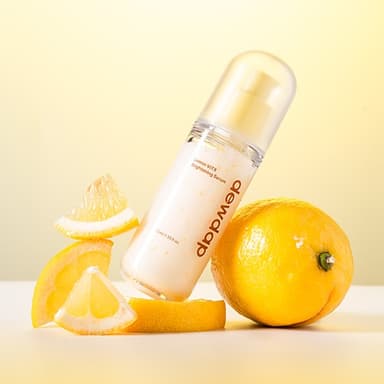
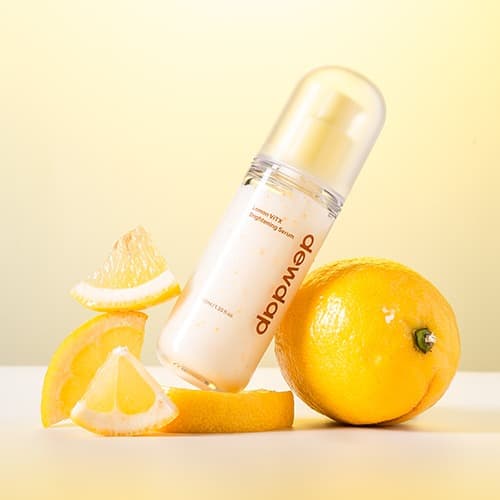
dewdap

DEWDAP ViTX BRIGHTENING SERUM 40ml

Serum – for Dryness

$42.0040ml · $1.05/ml

Ideal for

  • ExcellentDryness
  • ExcellentBlackheads
  • ExcellentAcne & breakouts
  • ExcellentFine lines & wrinkles

Not recommended for

Seborrheic DermatitisAtopic Dermatitis / EczemaPsoriasisRosacea

Product Score

Breakdown of key factors contributing to this product match

Research Score

95%

120 scientific studies support the efficacy of this product's ingredients. 100% is the strongest evidence we typically find in a exfoliant for concerns like yours.

Consumer Reviews

Not enough reviews yet

Fewer than 20 reviews is too few to score reliably, so no score is shown — and it is never counted against the product.

Targets Your Concerns

DrynessPanthenolStrong
Contains photosensitising ingredient(s) (Salicylic Acid, Glycolic Acid) — always follow with SPF 30+ in the morning
Higher Fitzpatrick types have increased PIH risk with glycolic acid — consider mandelic acid as a gentler AHA alternative.
Keratolytics and Emollients and Their Role in the Therapy of Psoriasis: a Systematic Review
Dermatology and Therapy, 2015n=120

Systematic review of keratolytics and emollients in psoriasis therapy: salicylic acid is a key keratolytic that removes psoriatic scale and improves penetration of co-applied topical agents; supports salicylic acid as an evidence-based adjunctive (descaling) treatment rather than a standalone therapy.

Comparative efficacy of topical interventions for facial photoaging: a network meta-analysis
Scientific Reports, 2025

Network meta-analysis (23 RCTs, 3,905 participants) of topical photoaging treatments ranked glycolic acid highest for reducing skin roughness (ahead of retinol and tretinoin), reflecting its exfoliating/desquamating action; however glycolic acid carried a higher adverse-event risk than topical retinoids.

Mechanistic basis and clinical evidence for the applications of nicotinamide (niacinamide) to control skin aging and pigmentation
Antioxidants, 2021

Mechanistic review: niacinamide inhibits melanosome transfer via PAR-2 downregulation, upregulates ceramide and fatty acid synthesis for barrier repair, and reduces TEWL; Korean government-funded with no industry conflicts; notes most clinical trials are industry-sponsored

Effect of moisturizers on epidermal barrier function
Clinics in Dermatology, 2012

Review of how moisturizers affect the epidermal barrier: humectants such as glycerin increase stratum corneum hydration and can strengthen barrier function and resistance to irritation, although effects depend on formulation and some moisturizers may weaken the barrier; supports well-formulated glycerin-containing emollients for dry, barrier-impaired skin.

Glycerol and the skin: holistic approach to its origin and functions
British Journal of Dermatology, 2008

Review establishing glycerin as the gold standard humectant: attracts water to stratum corneum via hydrogen bonding, improves skin mechanical properties (elasticity, pliability), enhances desmosome degradation for smooth desquamation, and modulates aquaporin-3 channels; effective at 2-20% in topical formulations

Moisturization and skin barrier function
Dermatologic Therapy, 2004

Comprehensive review of moisturization mechanisms: glycerin contributes to corneocyte hydration by replacing lost natural moisturizing factor (NMF) components; maintains stratum corneum fluidity at low humidity; superior humectant performance vs propylene glycol, sorbitol, and urea in controlled comparisons

Hyaluronic acid: a key molecule in skin aging
Dermato-Endocrinology, 2012

Review confirms dermal HA declines ~50% by age 70; topical HA penetration is MW-dependent (fragments <50 kDa penetrate deeper but may paradoxically stimulate inflammation); multi-weight formulations balance hydration and penetration depth

Salicylic acid as a peeling agent: a comprehensive review
Clinical, Cosmetic and Investigational Dermatology, 2015

Comprehensive review: salicylic acid (2%) is the only lipophilic BHA, enabling comedolytic and anti-inflammatory activity within the pilosebaceous unit; effective for acne vulgaris, melasma, photodamage, and keratosis pilaris; 20-30% SA peels show efficacy comparable to glycolic acid peels with lower erythema risk in Fitzpatrick IV-VI

Glycolic Acid Treatment Increases Type I Collagen mRNA and Hyaluronic Acid Content of Human Skin
Dermatologic Surgery, 2001n=48

Vehicle-controlled in vivo study: forearm skin treated with 20% glycolic acid lotion twice daily for 3 months showed significantly increased epidermal and dermal hyaluronic acid and type I collagen gene expression (mRNA) versus vehicle, indicating glycolic-acid-induced extracellular matrix remodeling of human skin.

A double-blind, randomized clinical trial of niacinamide 4% versus hydroquinone 4% in the treatment of melasma
Dermatology Research and Practice, 2011n=27

Niacinamide 4% comparable to hydroquinone 4% for melasma treatment (MASI reduction 43% vs 55%, p=ns); niacinamide showed significantly fewer side effects (0% vs 18% irritation); independently funded with no industry involvement

CeraVe
Product Match100Excellent match

CeraVe

Brightening Vitamin C Cleanser for Dull & Uneven Skin Tone

Cleanser – for Dryness

$18.99236.6ml · $0.08/ml

★★★★★4.7(1,558)

Ideal for

  • ExcellentDryness
  • ExcellentAcne & breakouts
  • ExcellentBlackheads
  • StrongRedness & sensitivity

Not recommended for

Atopic Dermatitis / EczemaRosaceaPsoriasis

Product Score

Breakdown of key factors contributing to this product match

Research Score

100%

93 scientific studies support the efficacy of this product's ingredients. 100% is the strongest evidence we typically find in a cleanser for concerns like yours.

Consumer Reviews

92%

Based on 1,558 customer reviews (4.7★). Positive feedback from users with similar skin profiles and concerns.

Targets Your Concerns

DrynessLactic AcidStrong
Contains photosensitising ingredient(s) (Lactic Acid, Salicylic Acid) — always follow with SPF 30+ in the morning
Keratolytics and Emollients and Their Role in the Therapy of Psoriasis: a Systematic Review
Dermatology and Therapy, 2015n=120

Systematic review of keratolytics and emollients in psoriasis therapy: salicylic acid is a key keratolytic that removes psoriatic scale and improves penetration of co-applied topical agents; supports salicylic acid as an evidence-based adjunctive (descaling) treatment rather than a standalone therapy.

Mechanistic basis and clinical evidence for the applications of nicotinamide (niacinamide) to control skin aging and pigmentation
Antioxidants, 2021

Mechanistic review: niacinamide inhibits melanosome transfer via PAR-2 downregulation, upregulates ceramide and fatty acid synthesis for barrier repair, and reduces TEWL; Korean government-funded with no industry conflicts; notes most clinical trials are industry-sponsored

Effect of moisturizers on epidermal barrier function
Clinics in Dermatology, 2012

Review of how moisturizers affect the epidermal barrier: humectants such as glycerin increase stratum corneum hydration and can strengthen barrier function and resistance to irritation, although effects depend on formulation and some moisturizers may weaken the barrier; supports well-formulated glycerin-containing emollients for dry, barrier-impaired skin.

Glycerol and the skin: holistic approach to its origin and functions
British Journal of Dermatology, 2008

Review establishing glycerin as the gold standard humectant: attracts water to stratum corneum via hydrogen bonding, improves skin mechanical properties (elasticity, pliability), enhances desmosome degradation for smooth desquamation, and modulates aquaporin-3 channels; effective at 2-20% in topical formulations

Moisturization and skin barrier function
Dermatologic Therapy, 2004

Comprehensive review of moisturization mechanisms: glycerin contributes to corneocyte hydration by replacing lost natural moisturizing factor (NMF) components; maintains stratum corneum fluidity at low humidity; superior humectant performance vs propylene glycol, sorbitol, and urea in controlled comparisons

Salicylic acid as a peeling agent: a comprehensive review
Clinical, Cosmetic and Investigational Dermatology, 2015

Comprehensive review: salicylic acid (2%) is the only lipophilic BHA, enabling comedolytic and anti-inflammatory activity within the pilosebaceous unit; effective for acne vulgaris, melasma, photodamage, and keratosis pilaris; 20-30% SA peels show efficacy comparable to glycolic acid peels with lower erythema risk in Fitzpatrick IV-VI

Hyaluronic acid: a key molecule in skin aging
Dermato-Endocrinology, 2012

Review confirms dermal HA declines ~50% by age 70; topical HA penetration is MW-dependent (fragments <50 kDa penetrate deeper but may paradoxically stimulate inflammation); multi-weight formulations balance hydration and penetration depth

A double-blind, randomized clinical trial of niacinamide 4% versus hydroquinone 4% in the treatment of melasma
Dermatology Research and Practice, 2011n=27

Niacinamide 4% comparable to hydroquinone 4% for melasma treatment (MASI reduction 43% vs 55%, p=ns); niacinamide showed significantly fewer side effects (0% vs 18% irritation); independently funded with no industry involvement

A Double-Blind Study Comparing the Effect of Glycerin and Urea on Dry, Eczematous Skin in Atopic Patients
Acta Dermato-Venereologica, 2002n=97

RCT (n=197 atopic dermatitis patients): a 20% glycerin cream, its glycerin-free base, and a 4% urea/4% NaCl cream were applied daily for 30 days. Glycerin and the comparators had equal effects on skin dryness; glycerin caused significantly less smarting than the urea-saline cream (10% vs 24%, p<0.0006).

The influence of a cream containing 20% glycerin and its vehicle on skin barrier properties
International Journal of Cosmetic Science, 2001n=40

Bilateral double-blind study (n=17): a cream containing 20% glycerin significantly increased skin hydration (corneometer) versus its vehicle, but did not significantly affect transepidermal water loss or skin sensitivity to sodium lauryl sulfate-induced irritation—glycerin's benefit was on hydration, not barrier function.